

Chronic kidney disease often develops silently, with many Filipinos only finding out when it has already reached an advanced stage. By then, treatment can mean long-term dialysis, higher costs, and a major shift in daily life for both patients and families.
This is the challenge a growing community health initiative is trying to address—by bringing kidney screening and awareness directly to barangays where people live, work, and seek basic care.
An estimated 13 million Filipinos may be living with chronic kidney disease, many of them undiagnosed. Because early symptoms are often absent or easy to dismiss, many cases are only discovered once kidney function has already significantly declined, limiting opportunities for early intervention.
Barangay-based rollout across Quezon City and Antipolo
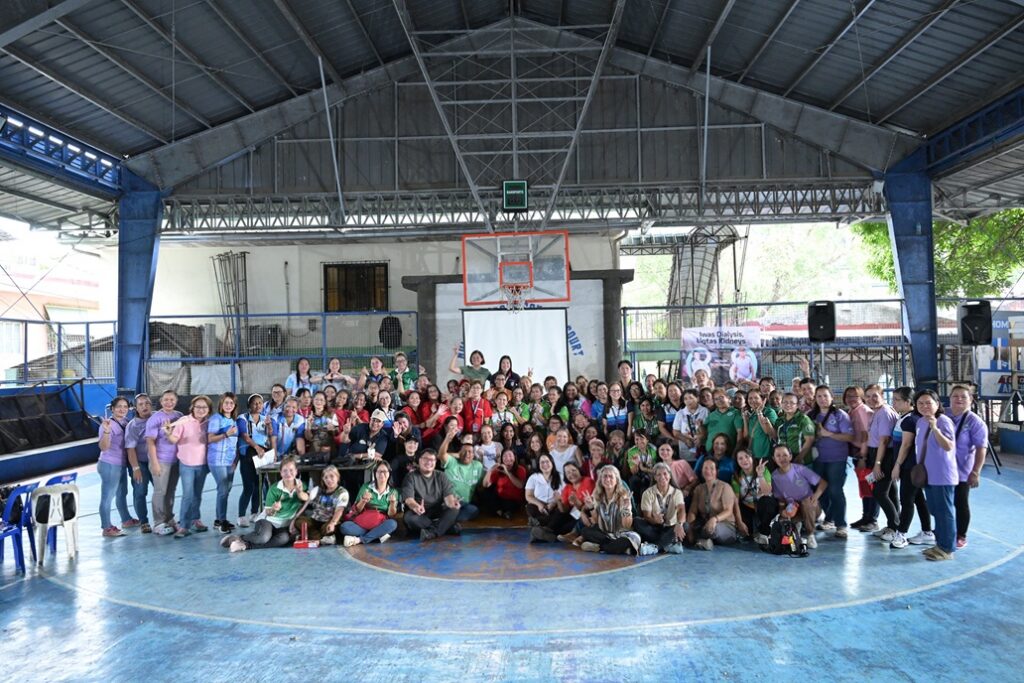
To help improve early detection and access, Boehringer Ingelheim launched a barangay-based program called “Iwas Dialysis, Ligtas Kidneys: Get CheCKD Habang Maaga Pa!”—a community effort focused on early screening, education, and support.
The program has already screened more than 1,500 Filipinos identified as at risk in Quezon City and Antipolo, bringing basic kidney health services closer to communities instead of relying on hospital visits that often happen only when symptoms worsen.
At the center of the initiative is the training of frontline health workers. Over 200 healthcare workers and barangay health workers across 20 barangays have been equipped with tools and knowledge to conduct basic assessments, guide residents, and assist in early testing. For many communities, kidney checks are now becoming part of routine barangay health services for the first time.
Early detection through simple community testing
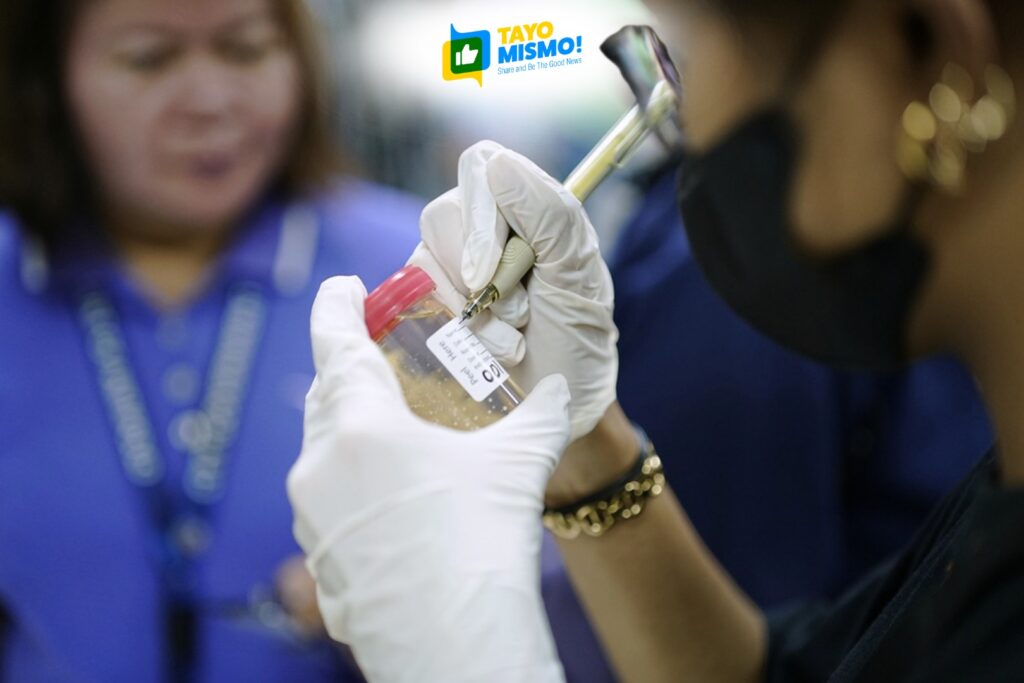
One of the key tools used is the urine albumin-to-creatinine ratio (uACR) test, which helps detect early signs of kidney damage by identifying protein in urine, often before symptoms are noticeable. The test is simple, portable, and designed for community settings, allowing quicker identification of individuals who may need further care.
Alongside screening efforts, the program also reinforces prevention messaging, focusing on everyday risk factors such as diabetes, hypertension, diet, inactivity, smoking, and stress—conditions that are increasingly common in many households.
Local support and preventive health push

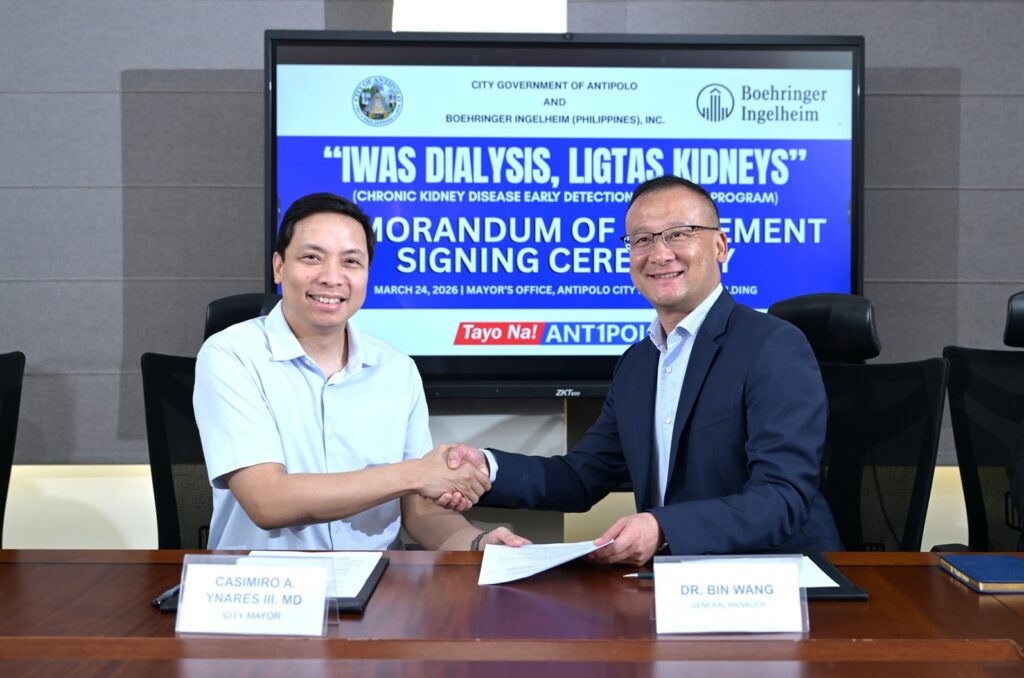
Local government partners in Quezon City and Antipolo have supported the rollout, highlighting the importance of making preventive health services more accessible at the barangay level. For them, early detection is not just about treatment, but about helping families avoid long-term financial and emotional strain.
By bringing kidney health services directly into communities, the initiative aims to make screening more routine, more approachable, and easier to access, especially for residents who often seek care only when conditions have already progressed.