
A cleft can affect much more than a child’s smile. It can make eating, breathing, speaking, and growing up more difficult, while families can also face misconceptions and challenges in finding the care their children need.
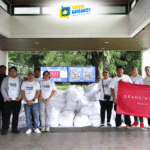
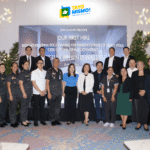
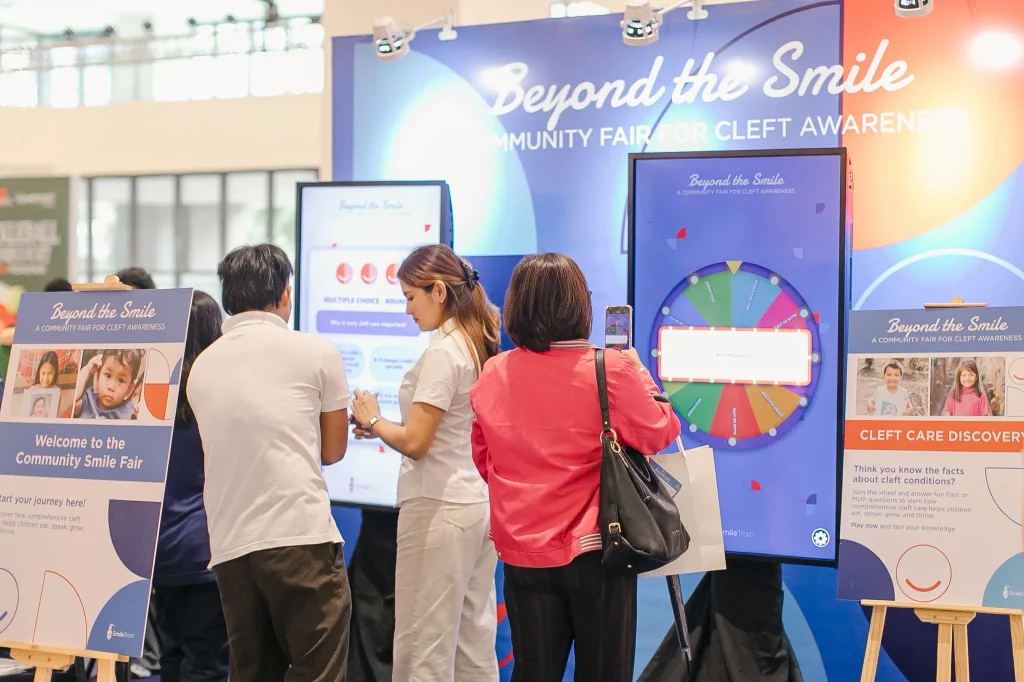
Smile Train Philippines sought to bring those realities into clearer view through Beyond the Smile, A Community Fair for Cleft Awareness on August 14, bringing together children, families, healthcare professionals, advocates, and community partners.
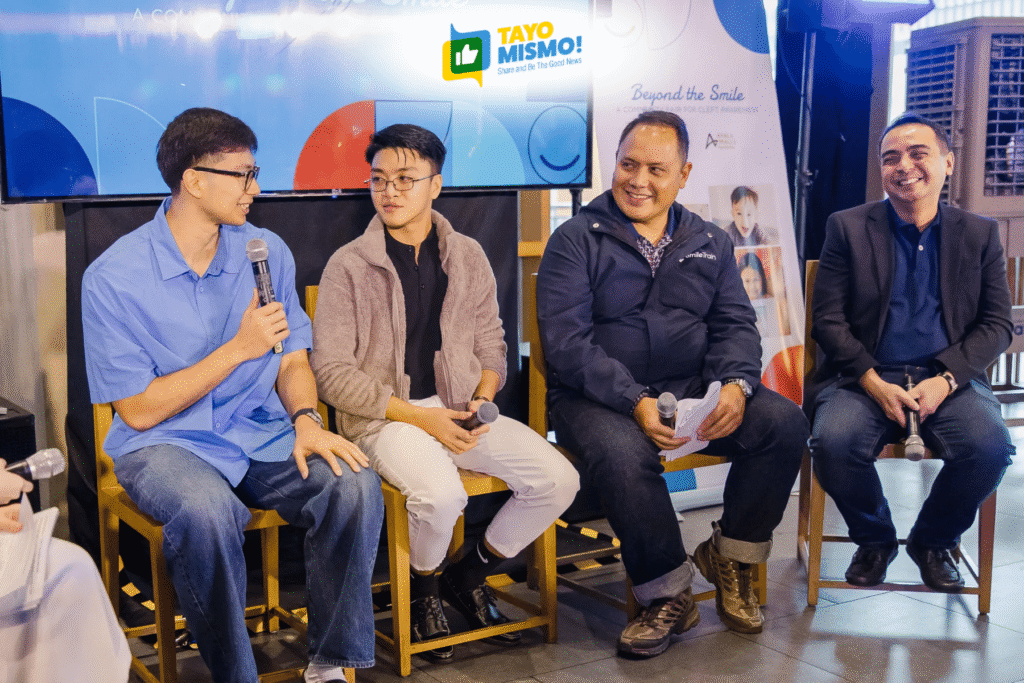
The fair offered families a chance to learn about cleft conditions and available services through educational activities, care discovery sessions, and a patient support and referral desk. A fireside chat also brought patients, families, healthcare professionals, and advocates together to talk about the experiences of people living with clefts.
There is no doubt that surgery can be life-changing, but it is only one part of the care many children need.
Comprehensive cleft care can include nutritional support, speech therapy, specialized orthodontic and dental care, hearing services, and psychosocial support. These services can help children move beyond treatment and take part more fully in school, family life, and their communities.
The need for awareness remains significant. The World Health Organization identifies cleft lip and palate among the most common birth differences, and while clefts are highly treatable, many families still encounter barriers to timely and comprehensive care.
Smile Train Philippines is also working with REX Education Foundation Inc. to bring cleft education into schools and communities. The partnership aims to help children understand cleft conditions early and encourage greater empathy and acceptance.
But creating more inclusive communities can begin with something much simpler. Learning about clefts, correcting misconceptions, supporting families, and making children feel welcome can all help.
If a community can come together to learn, listen, and support children with clefts, other communities can do the same. Schools, workplaces, organizations, and groups of friends can start conversations, share reliable information, support families seeking care, or find ways to help organizations already doing the work.
Sometimes, inclusion starts with understanding. And that can begin with one conversation.