
Youth-led movements can offer a different kind of response to the country’s social and environmental challenges—one rooted in community, creativity, and lived experience.
When young people are given the space to lead, advocacy can become more accessible and more connected to the communities it serves.
Kids for Kids PH (KFK) builds its work around this idea, using culture, radical imagination, and creative education to protect children’s right to a safe environment. Rather than treating social and environmental issues as separate concerns, the organization approaches both together, working to shape a generation of compassionate peacemakers and changemakers.

Founded in 2015 by sisters Tasha and Bella Tanjutco, KFK has grown over the past six years into a community of over a thousand volunteers worldwide, all working toward the same goal: protecting people and planet for generations to come.
The organization channels this work through two long-term projects. Kakampi Klub, meaning “ally” or “teammate” in Filipino, is a coalition of individuals and organizations focused on ending child abuse and exploitation by addressing its root causes, such as poverty, food insecurity, and lack of access to education.
Kapuluan ng Kabataan, or “archipelago of the youth,” centers on environmental conservation through education and regenerative solutions, connecting young people to the ecosystems around them through community and urban gardens, mobile libraries, and cultural centers designed by youth themselves.


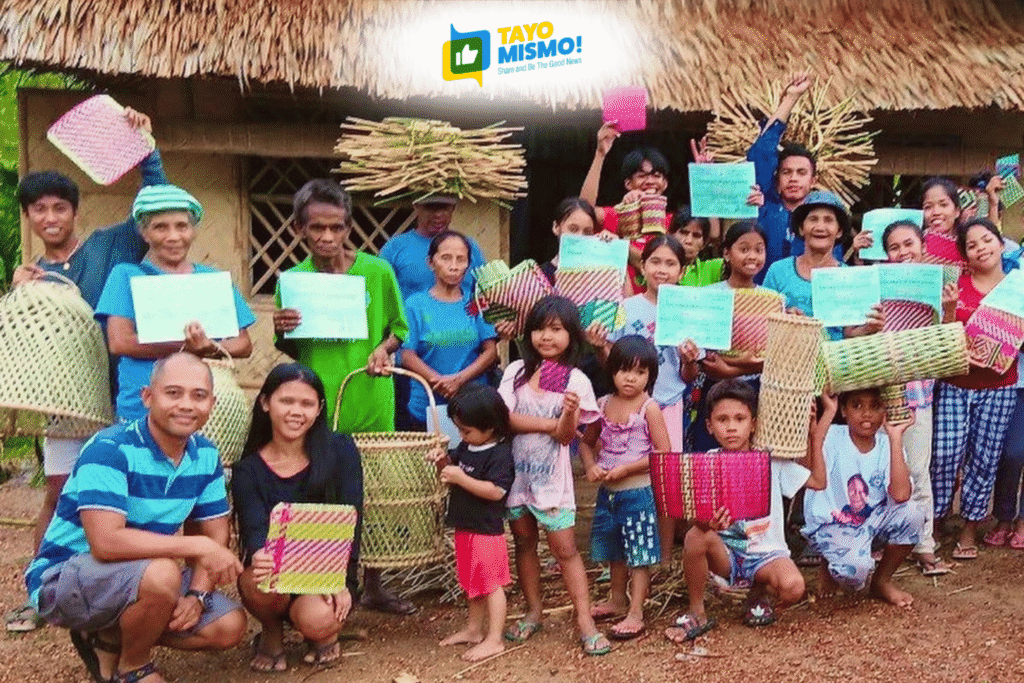
On the ground, KFK’s response to crises has been just as active. Its latest donation drive, dispatched last August, delivered hygiene kits to a school in Lake Sebu affected by earthquakes in the area.
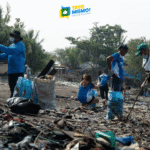
In the past, the organization has organized beach clean-ups, coordinated donation drives for calamity-hit communities, and provided light sources to areas without reliable power. It also regularly shares awareness posts on pressing social issues affecting Filipino communities.
KFK’s work reflects how much the youth can accomplish when given the platform and support to lead, especially in a country where many communities continue to face poverty, limited access to education, and vulnerability to natural disasters.


The organization’s model can also serve as a starting point for others. Schools, other youth groups, organizations, and even informal circles of friends can build their own small initiatives around safety, sustainability, and community care.
If one youth-led movement can grow into a network of a thousand volunteers working for children and the environment, other groups can find their own way to start. A single donation drive, clean-up, or awareness campaign can be the first step toward building safer, more compassionate communities for the next generation.