

How Maan Pamaran and Baby Marquez turn small contributions into consistent support by working together, staying hands-on, and paying attention to what drivers need most
Most jeepney and tricycle drivers spend their days moving through the city in long, repetitive loops, waiting at terminals, navigating traffic, and trying to make each trip add up to enough for the day. By the time they head home, what they bring back is often carefully divided between food, school expenses, bills, and whatever else needs to be stretched until the next day begins again.
When fuel prices rise or earnings dip, that balancing act becomes even more challenging. In moments like these, even a small amount of relief can change how the rest of the week feels.
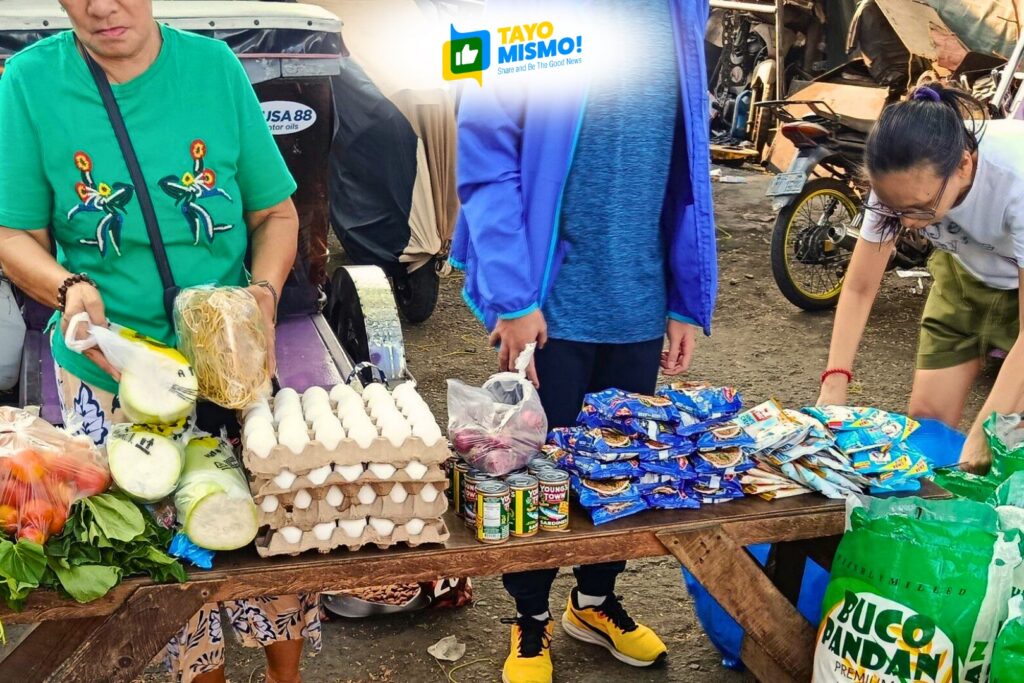
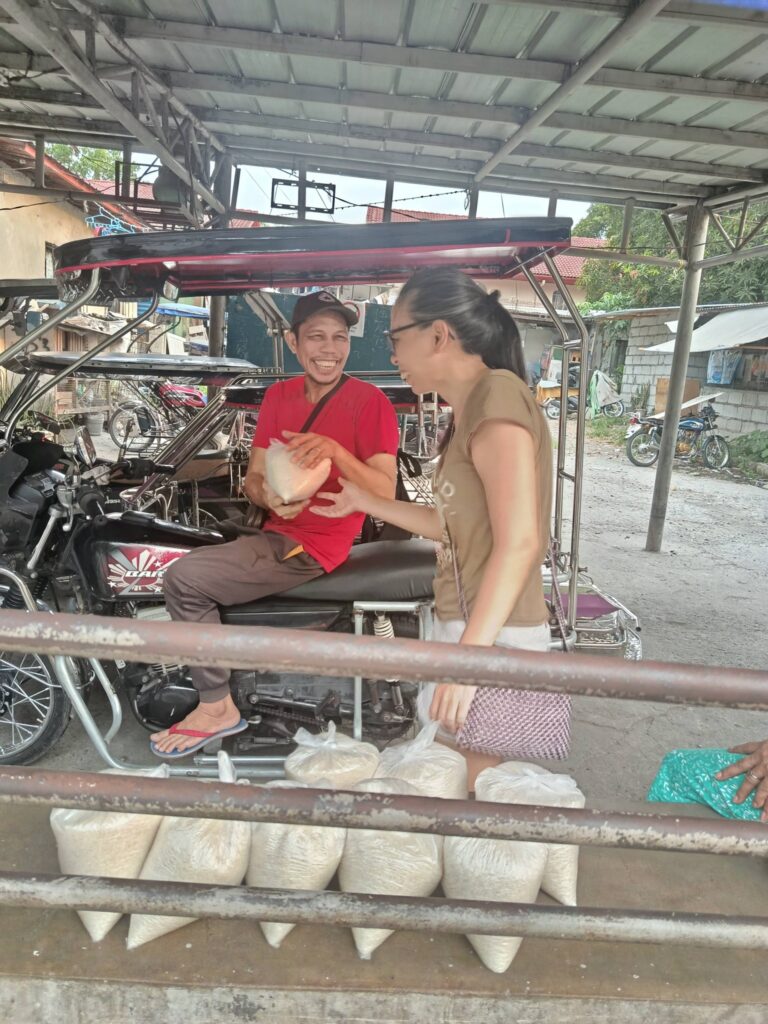
For Maan D’Asis Pamaran and Corazon “Baby” Marquez, that realization turned into action at a tricycle terminal in Sucat, where a simple folding table now appears whenever donations come in, offering rice and basic goods to jeepney and tricycle drivers who pass through.
Maan, a veteran freelance writer who has spent nearly three decades contributing to newspapers, magazines, and online publications, first found herself drawn into community pantry work during the COVID-19 pandemic. Baby, who has been with her household for 13 years, has been there just as steadily, helping shape how each distribution actually comes together on the ground.
What they have built in Sucat is small in scale and simple in structure, but it runs on a shared rhythm of planning, coordination, and familiarity with the people who line up at the terminal such as drivers they now recognize, and who recognize them back.
From pandemic pantries to roadside relief
During the COVID-19 pandemic, Maan became involved in a community pantry initiative in Tunasan in Muntinlupa inspired by the movement started by Ana Patricia Non. She contributed as a freelance writer helping gather support and donations, while witnessing how small, organized acts of giving could reach hundreds of families in a short span of time.
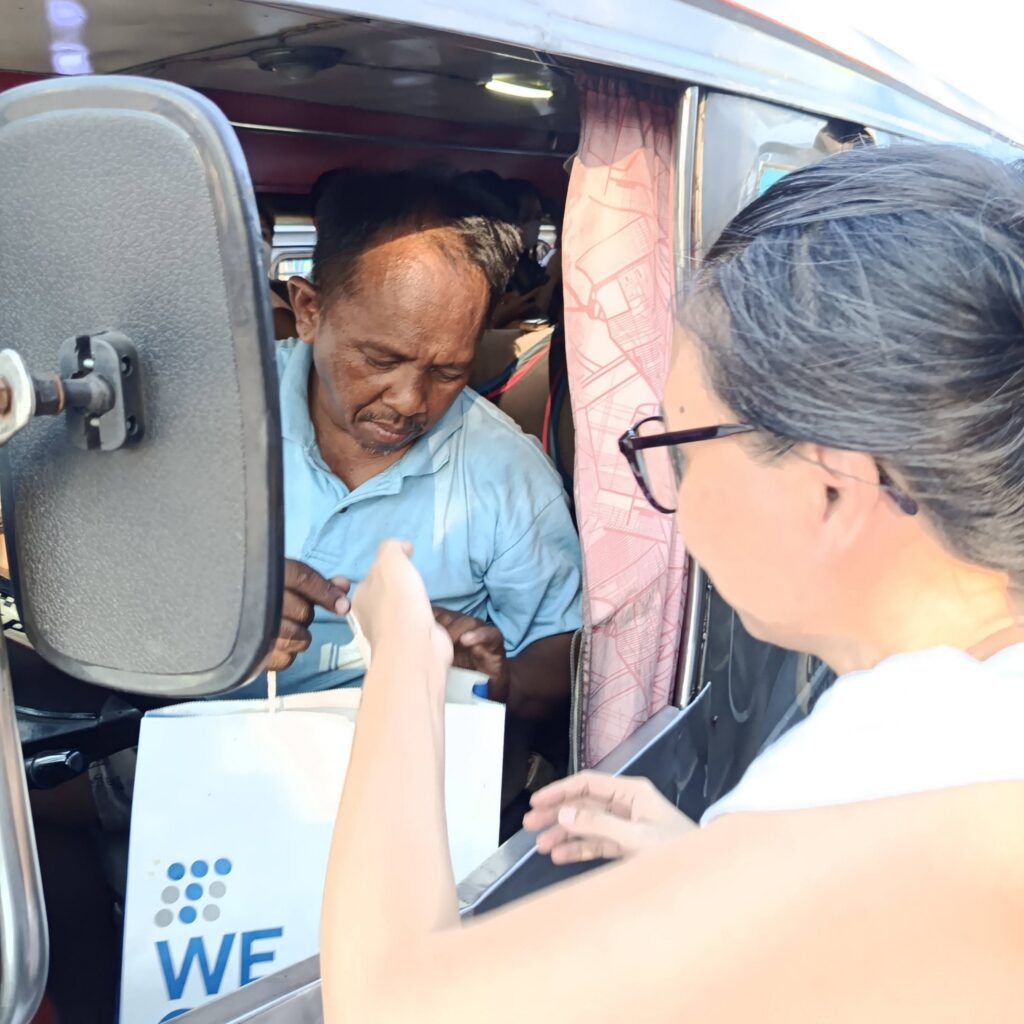
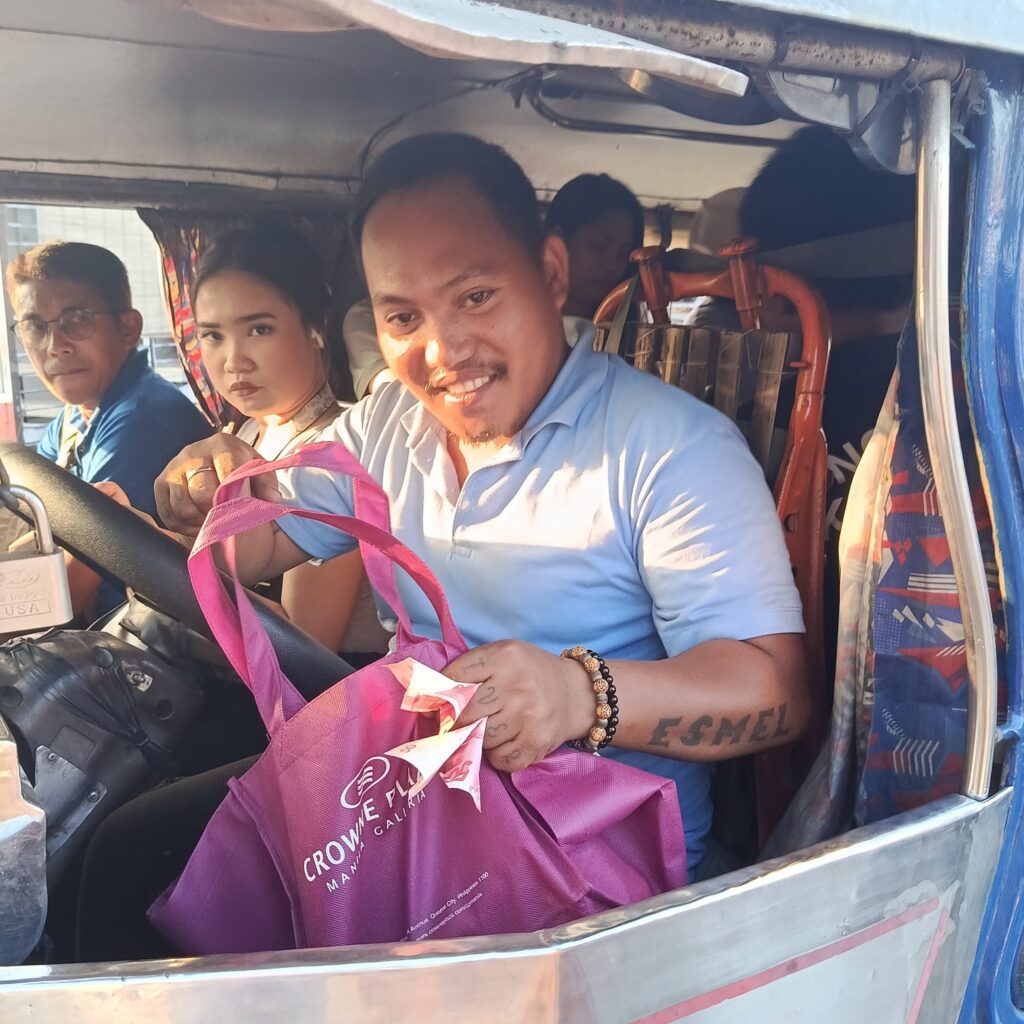
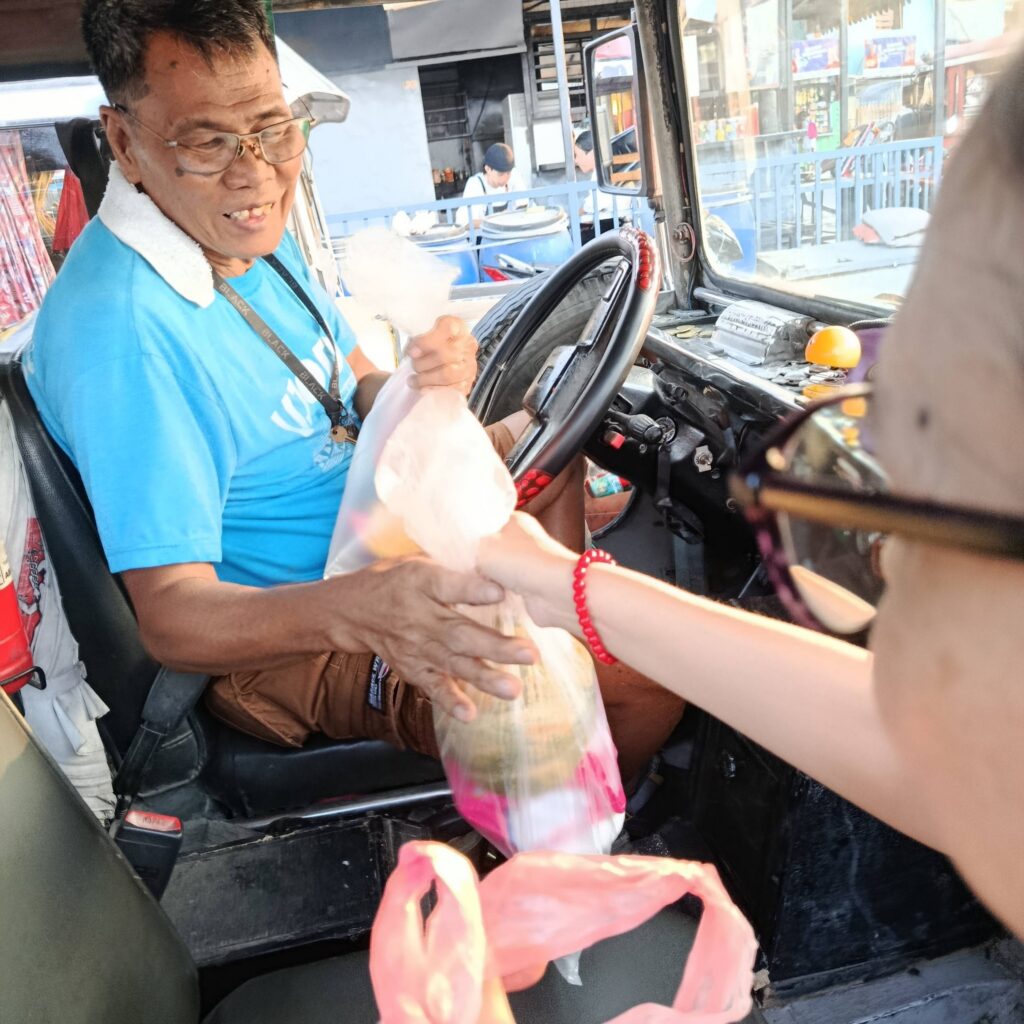
Years later, as transport workers faced renewed pressure from rising fuel costs, she saw familiar images of community pantries appearing again in different areas. The idea was no longer distant. In fact, it felt necessary again, this time closer to home.
“I prayed and said, ‘Lord, if I get paid by a client before the weekend, I will also put up a small pantry here in our area,” Maan told Tayo Mismo.
A client soon settled a payment, giving her the initial push to begin. Maan then reached out to friends through Facebook. Donations came in cash and in kind, enough to begin setting up a small station at a tricycle terminal in Sucat.
The woman behind the operations
Helping make it work on the ground is Baby Marquez, who has been with Maan’s household for 13 years.
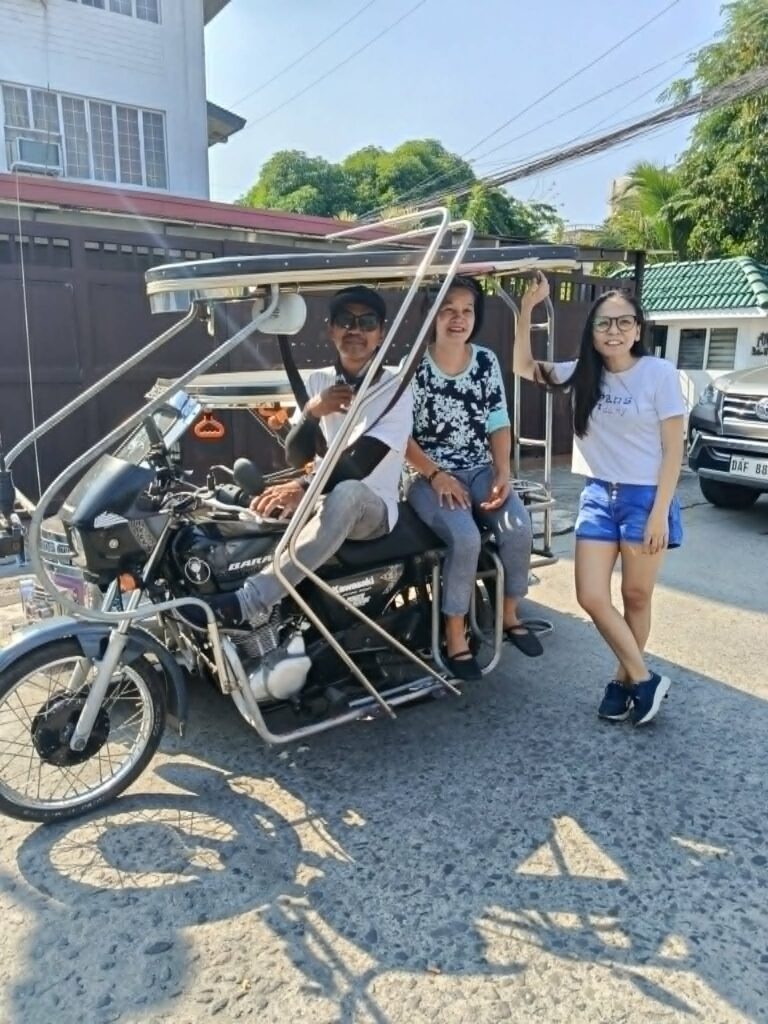
Over time, she has become central to how the pantry functions day to day. A former fish vendor, Baby coordinates with rice suppliers, speaks directly with tricycle drivers about schedules and distribution, and helps calculate how far each batch of donations can go. When needed, she also finds practical solutions for unexpected situations, from repacking goods to arranging extra help for bulk items.
“I’m on the finance side. Yaya is operations,” Maan said with a laugh.
Their partnership is rooted in years of shared community work, from organizing Christmas gifts and Halloween treats for nearby informal settler families to gathering donations during fire incidents and caring for stray animals in their neighborhood.
For Baby, the work is closely tied to her faith and what she sees every day at the terminal.
“Kaya kami tumutulong kasi Katoliko po ako,” Baby told Tayo Mismo. “Natutuwa kami pag may natutulungan. Naaawa kami sa mga tricycle drivers na dati ay nakakapag-uwi pa ng ₱500, ngayon ay nasa P200 na lang ang naiuuwi nila.”
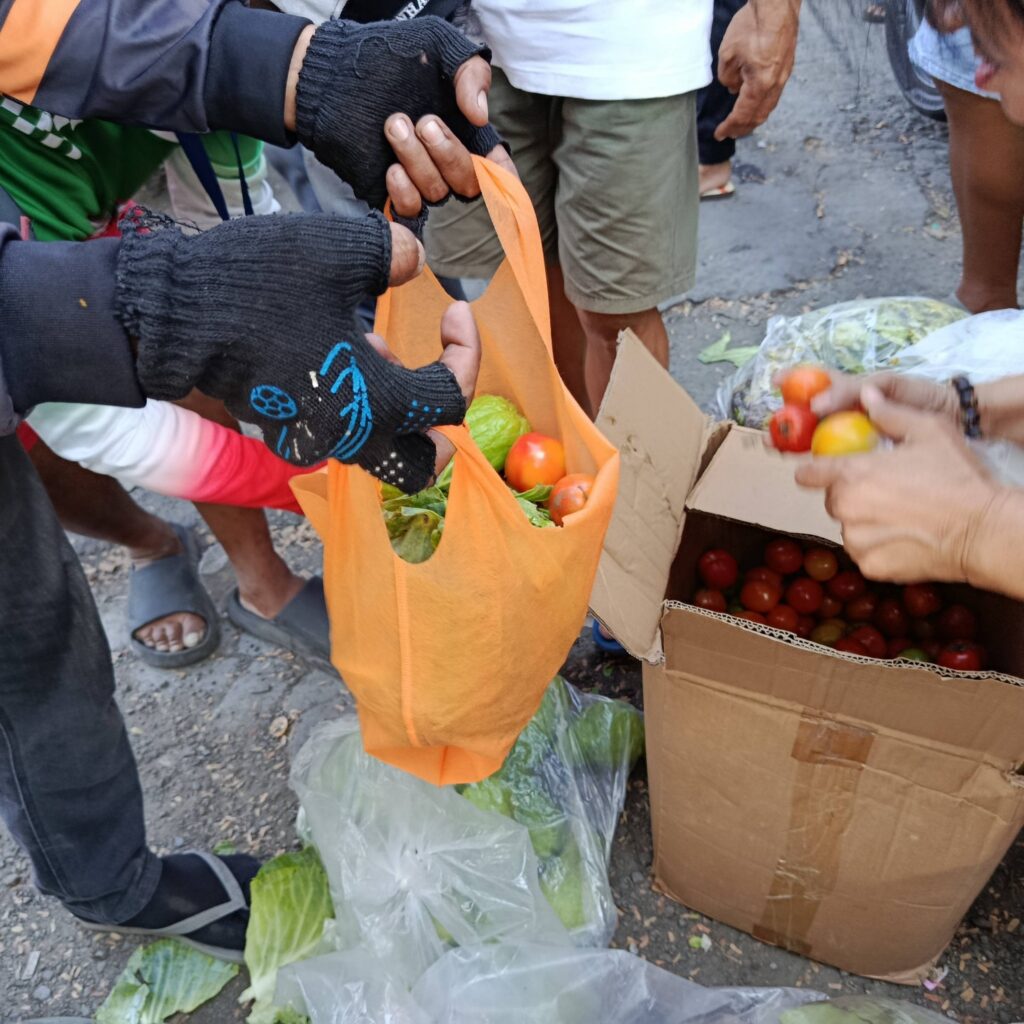
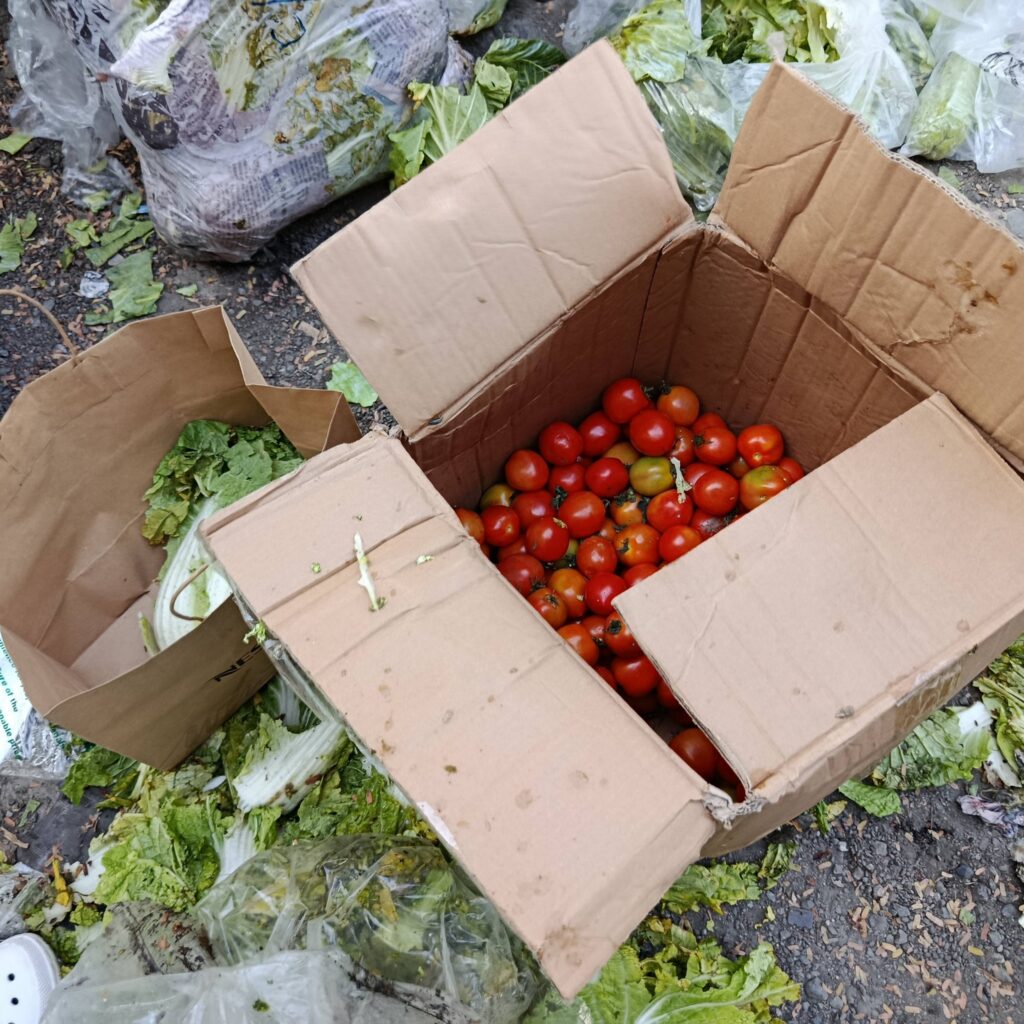
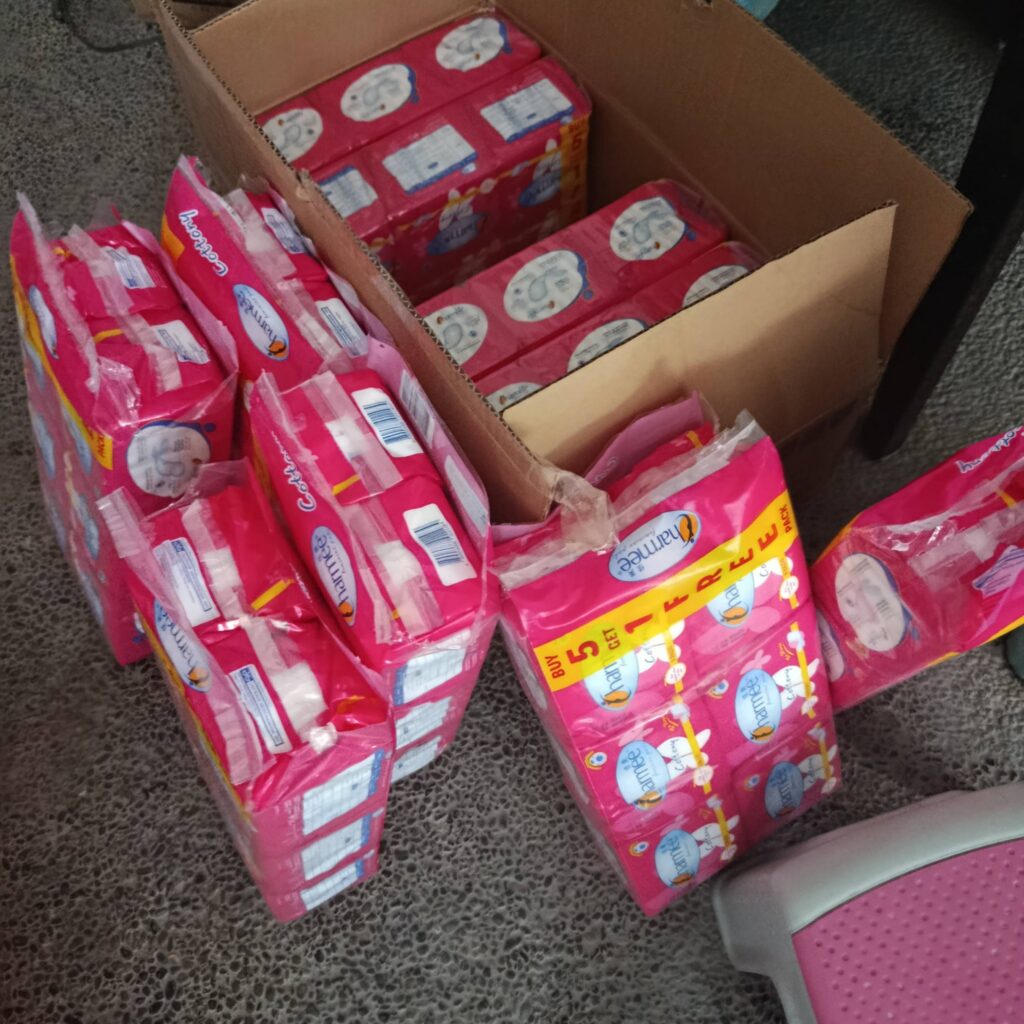
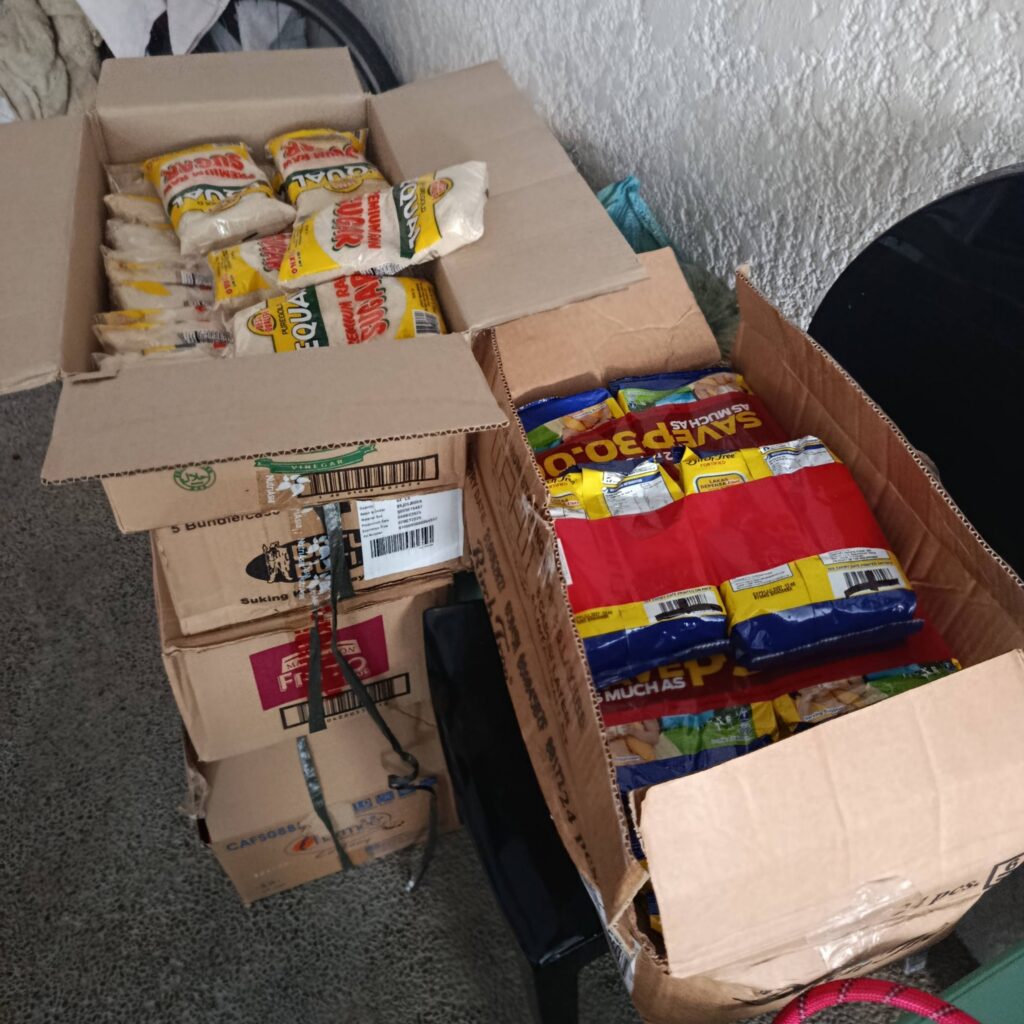
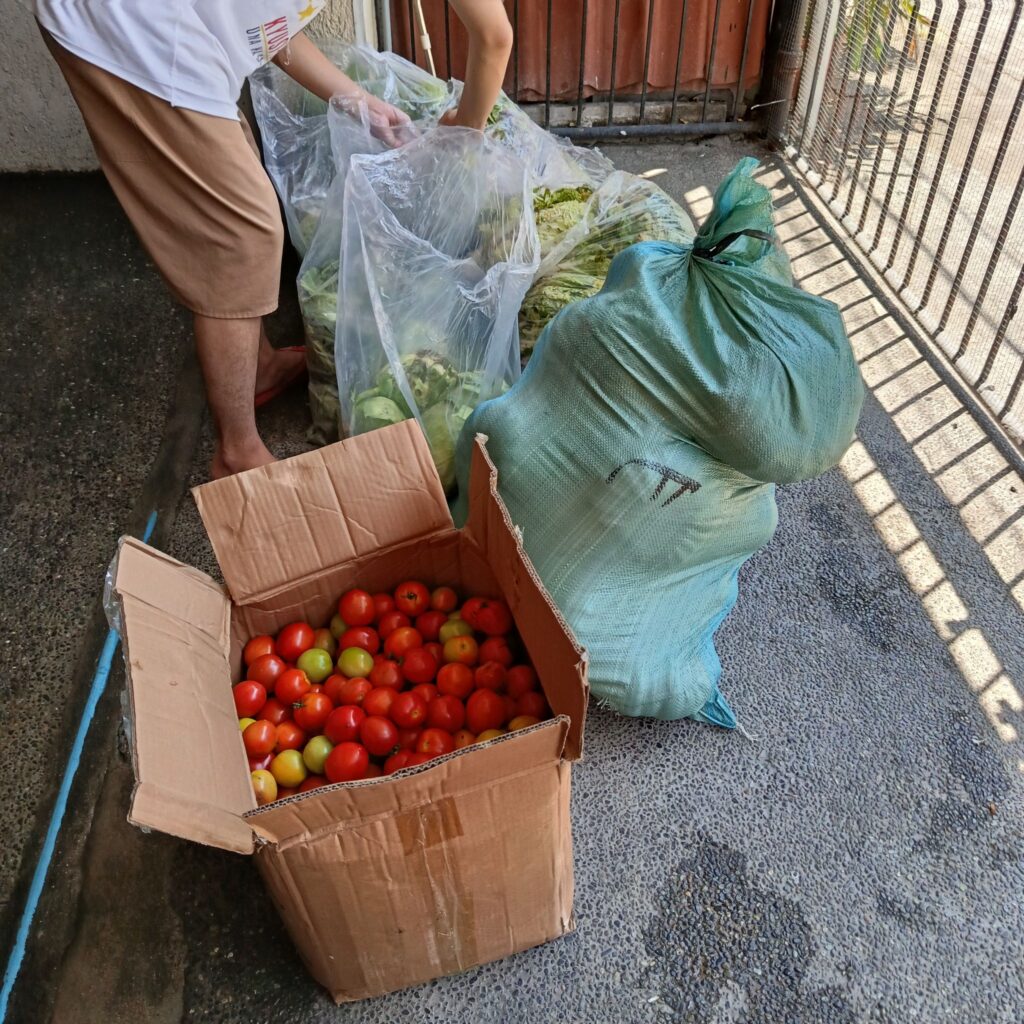
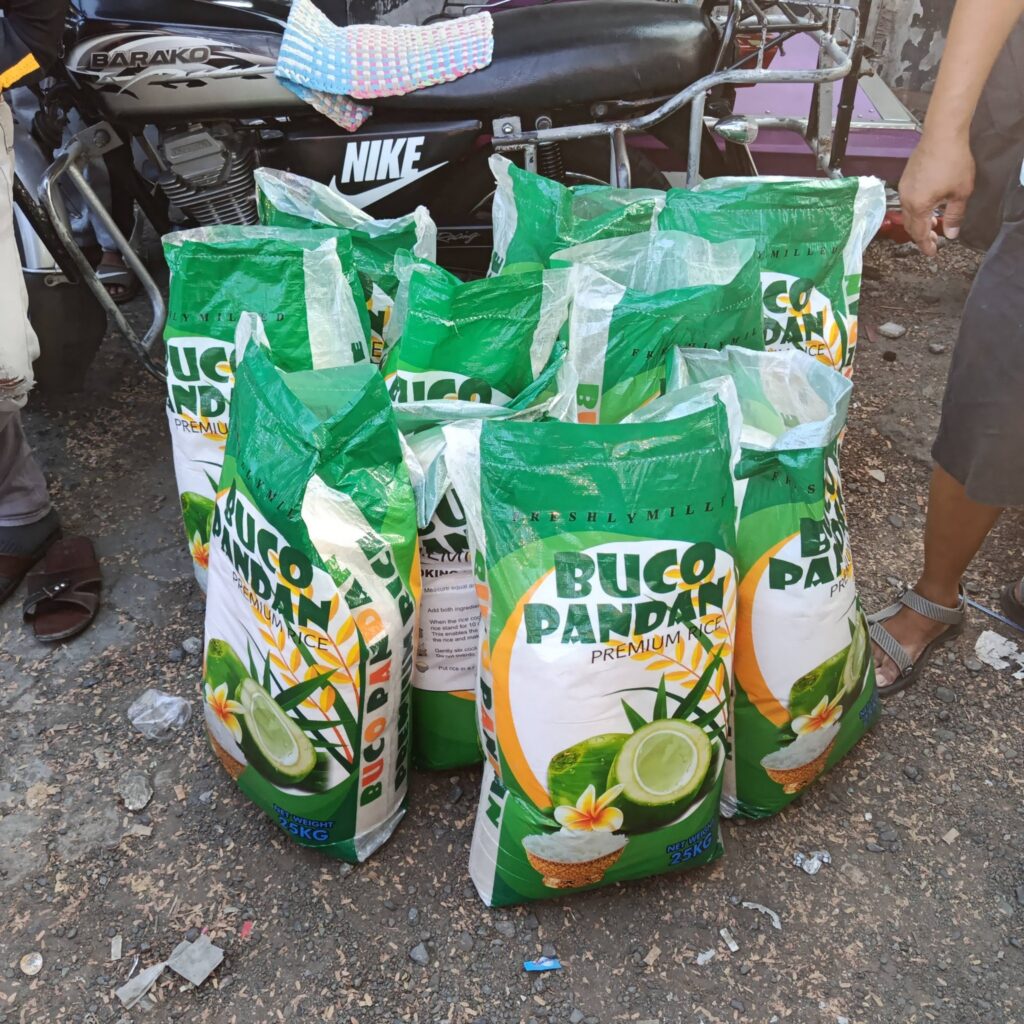
Rice remains the most requested item, followed by eggs and coffee. Depending on donations, drivers also receive sugar, powdered milk, soap, cooking oil, vegetables, and sanitary items.
The scale changes from one distribution to another, sometimes modest, sometimes larger. But for Maan and Baby, what matters most is not volume but consistency of presence.
When small things stay with people
One driver once received a bag of rice and ended up dancing beside the table, overwhelmed in a moment that caught everyone by surprise. Laughter followed, not as interruption, but as release, something light breaking through the routine weight of the day.
It was only a bag of rice, yet in that moment it carried far more than its weight. For someone trying to stretch a limited income across a week, it meant one less problem to carry home.
Another time, while riding a tricycle to the market, Maan was recognized by a driver who thanked her personally, telling her how much the pantry mattered to transport workers struggling with daily costs.
There was also a jeepney driver who approached hesitantly and asked if he was allowed to receive assistance too. When told that the pantry was open to all transport workers, his expression shifted immediately into relief and gratitude.
These moments reveal how help rarely stays contained within a single transaction.
“It created ripples of kindness,” Maan said, recalling a time when someone who had seen the pantry in action donated a case of cold soft drinks for the drivers.
The gesture was simple, but it carried something important. Someone had noticed, and choosing to respond made others notice too.
Help that can be repeated anywhere
Maan is quick to point out that there is nothing new about what they are doing. Community pantries have existed long before, and many others have carried out similar efforts in different forms.
There is no reinvention here, only repetition of something that already works.
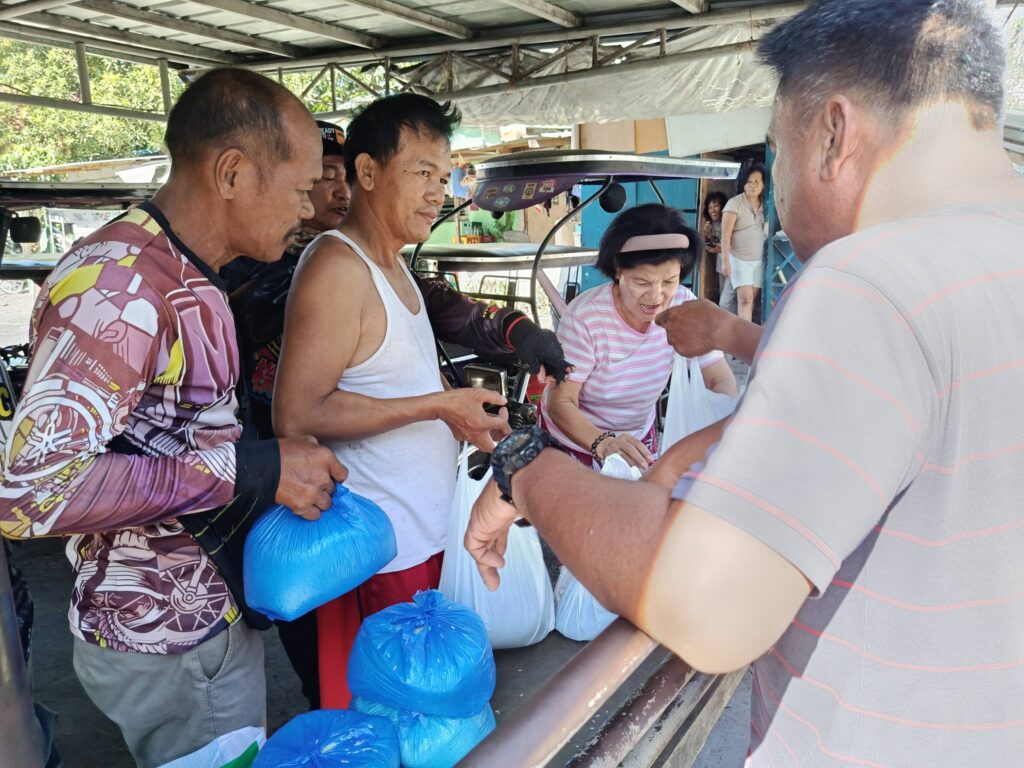
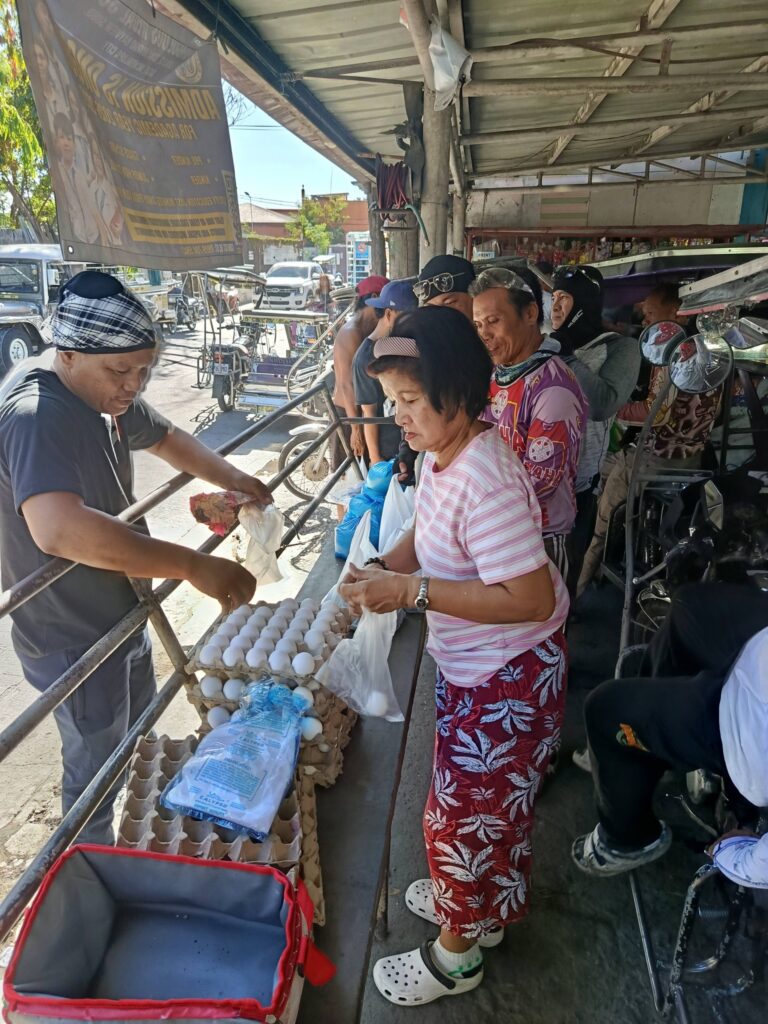
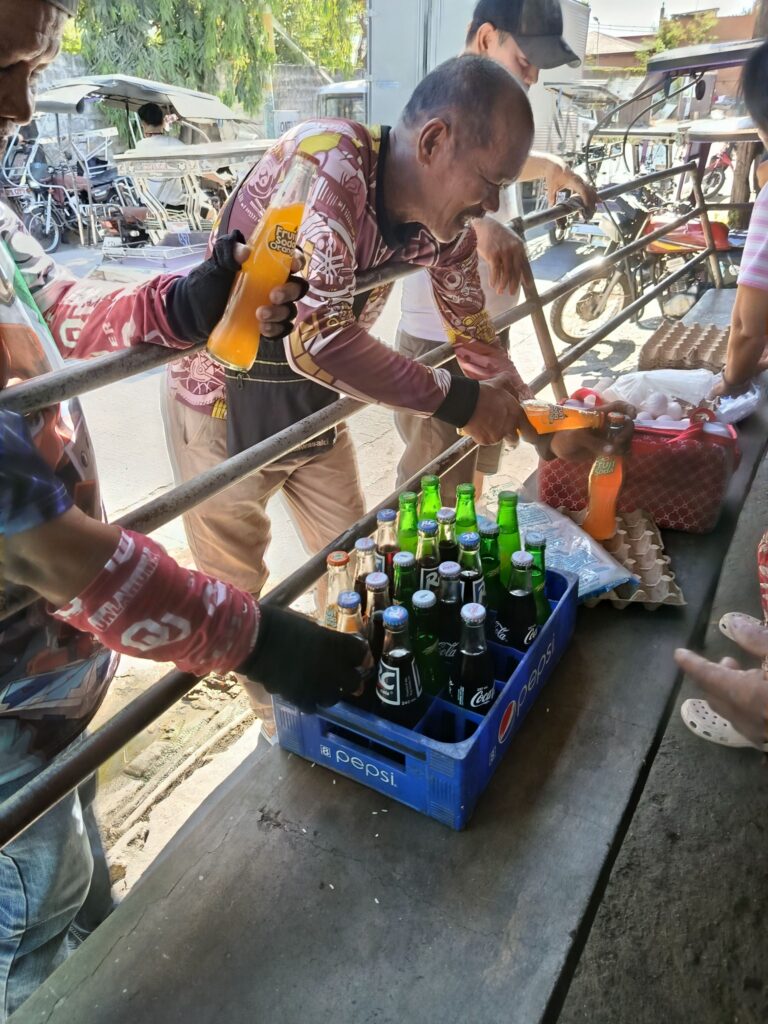
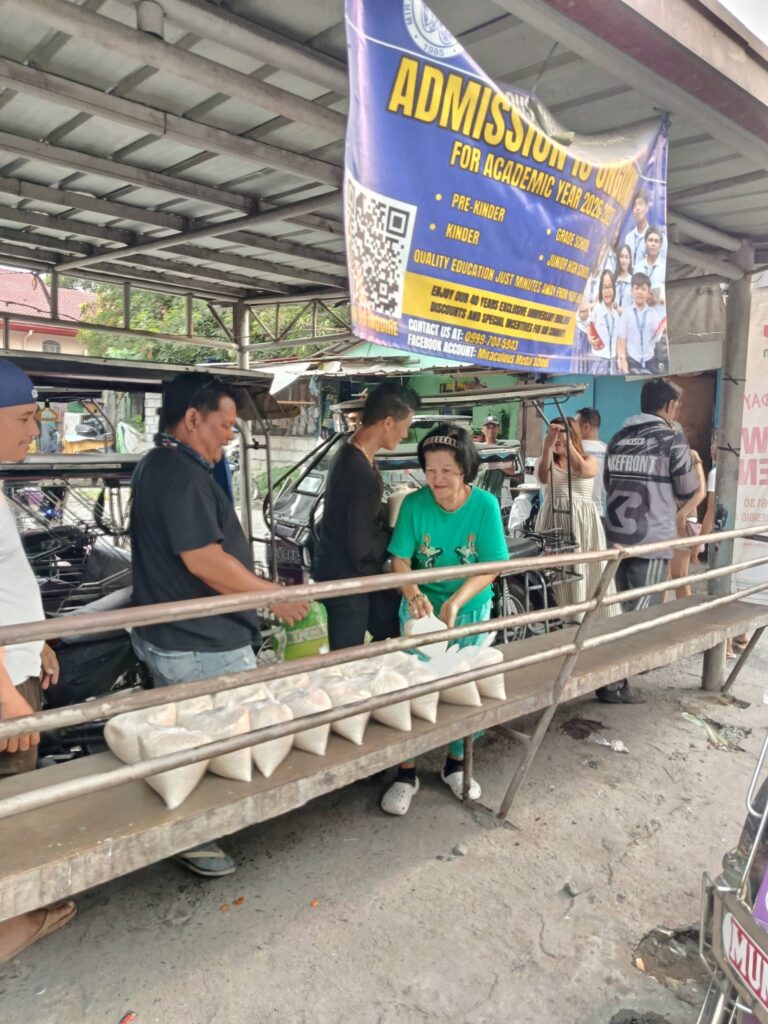
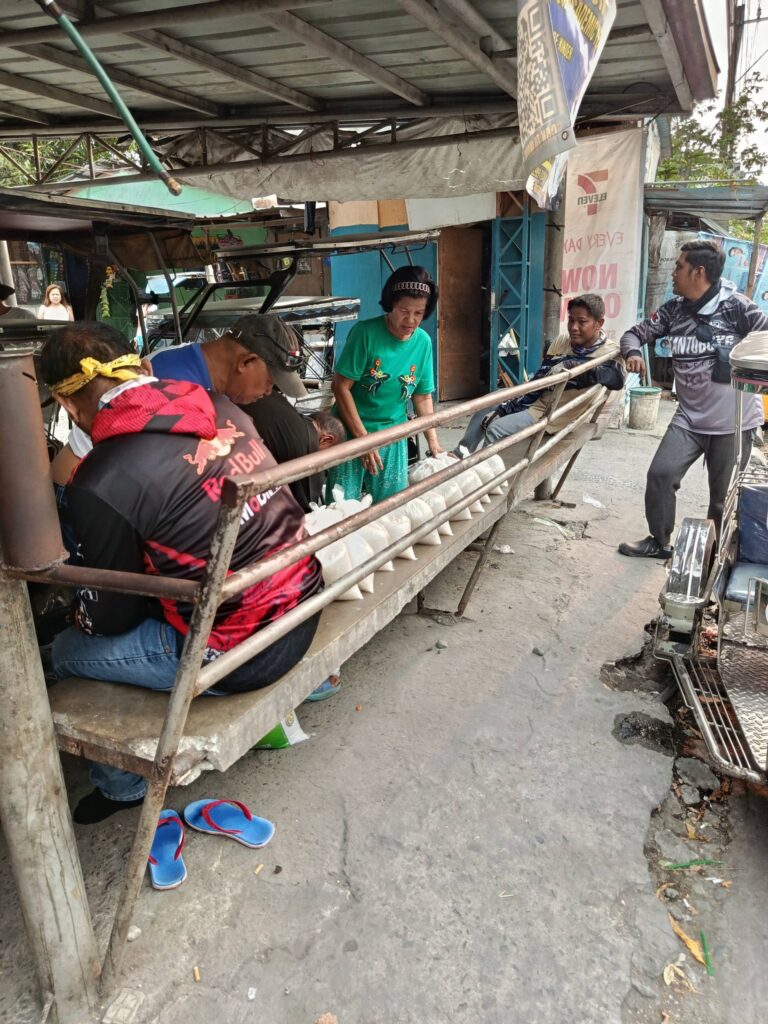
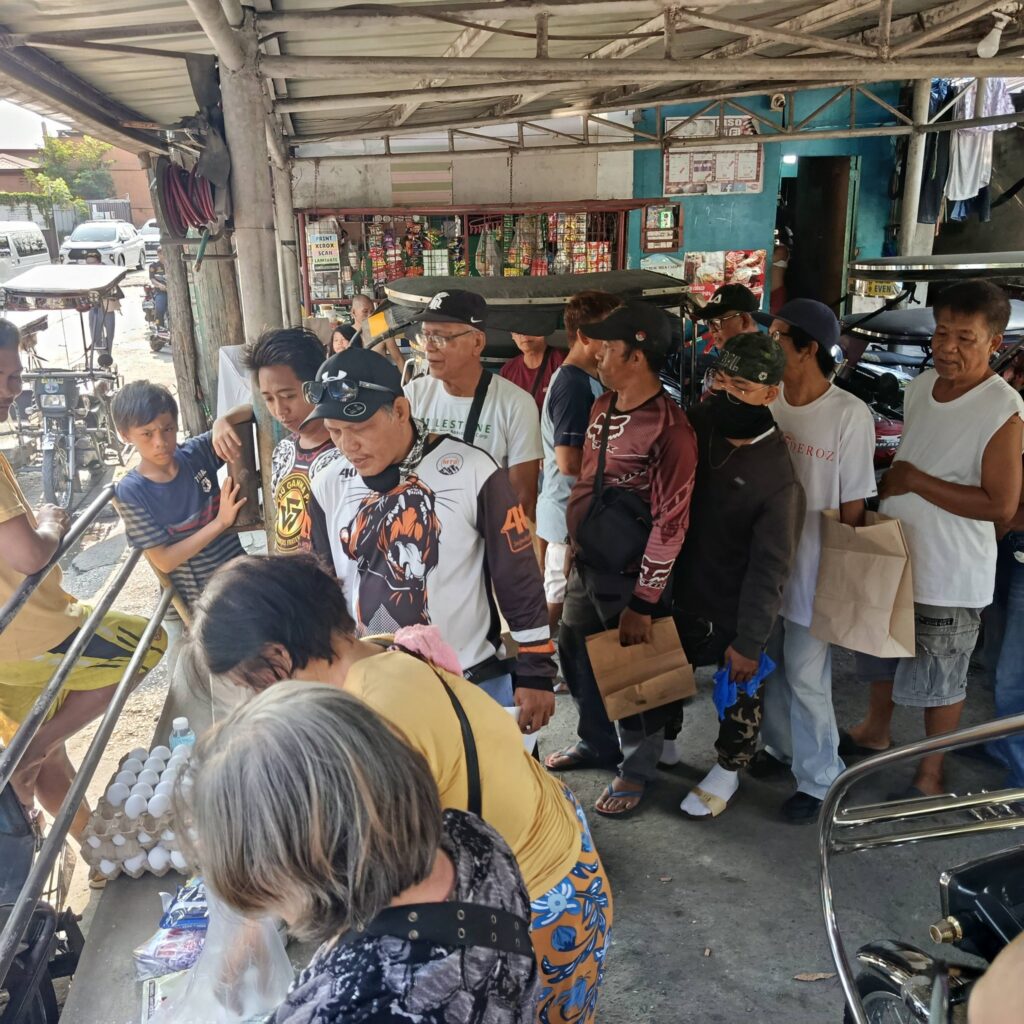
A table can be set up almost anywhere. Small contributions can be pooled together. A community can choose to look at its own surroundings and respond where it can. That simplicity is what makes it powerful. It does not require scale to begin.
A shared sense of purpose
The pantry continues whenever donations allow. Funding remains the biggest challenge, but support from friends, neighbors, and local stores that offer discounted rice has helped sustain the effort over time.
Through it all, Maan and Baby have developed a steady rhythm of work built on planning, familiarity with the drivers at the terminal, and a commitment to being present whenever help is available.
“We are so temporary in this world,” Maan said. “Let’s make our short stay worth it by making someone else’s life better while we are here.”
The drivers continue their routes each day, often passing through the same terminals, the same streets, the same routines. The table may not always be there. But the idea behind it remains.
That help does not always have to be large to matter.
It only has to arrive.