
When students walk into the Philippine Normal University cafeteria, they find something different on the menu. Classic Filipino dishes like Bicol Express, salpicao, menudo, and bopis now feature plant-based ingredients. Through the Veg-Up! initiative organized by the Tzu Chi Foundation and supported by ProVeg International, PNU became the first university partner to introduce a 40% plant-based campus menu.
To celebrate this milestone, Tzu Chi brought a full-day interactive caravan to the Manila campus. Partnering with student groups like Green Action Initiative Affiliation and PNU Taste, the event brought environmental advocacy straight to the campus grounds.


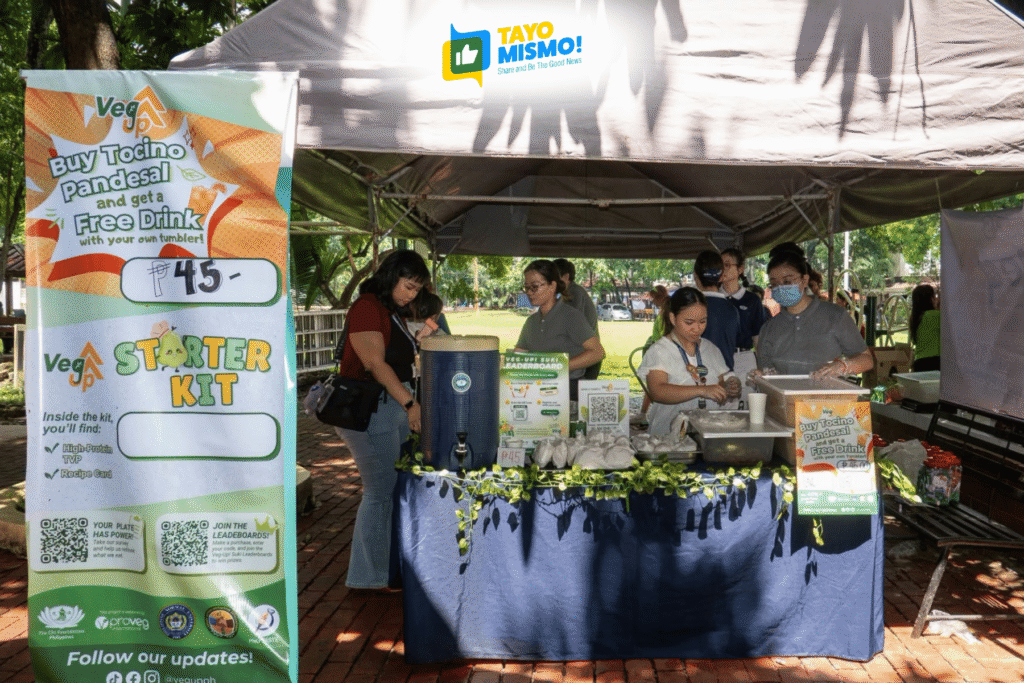
Students gathered at the Bonifacio P. Sibayan Hall for screenings of “The Game Changers” and “A Life on Our Planet.” Outside, a vibrant canopy served plant-based tocino sandwiches while teaching participants about textured vegetable protein.
Education student Marcia Reambillo, founder of PNU Taste, experienced the impact firsthand during initial taste tests. She was amazed at how simple soy and plant proteins could recreate familiar flavors without relying on animal meat. For student leaders like Catherine Tan of GAIA, the partnership addresses urgent issues like animal welfare, climate action, and access to healthy meals for growing communities.


Interactive trivia games drew crowds of curious undergraduates, turning basic facts into eye-opening lessons about nutrition and sustainability. Participants left discussing how historical diets, protein sources like spirulina, and conscious food choices shape personal health and environmental outcomes. PNU kitchen staff had previously trained at the Buddhist Tzu Chi Campus to master these animal-free recipes, ensuring these changes last.


Tzu Chi aims to expand this framework to more academic institutions across the country. Seeing a university take action shows what is possible when a community commits to real environmental stewardship.
You and your friends or workplace can start small by choosing plant-based meals, starting conversations, and bringing sustainable habits into your own dining halls and kitchens.