
In Makati, a community-minded shop brings locally made products to more customers while helping sustain livelihoods and keep small enterprises going.
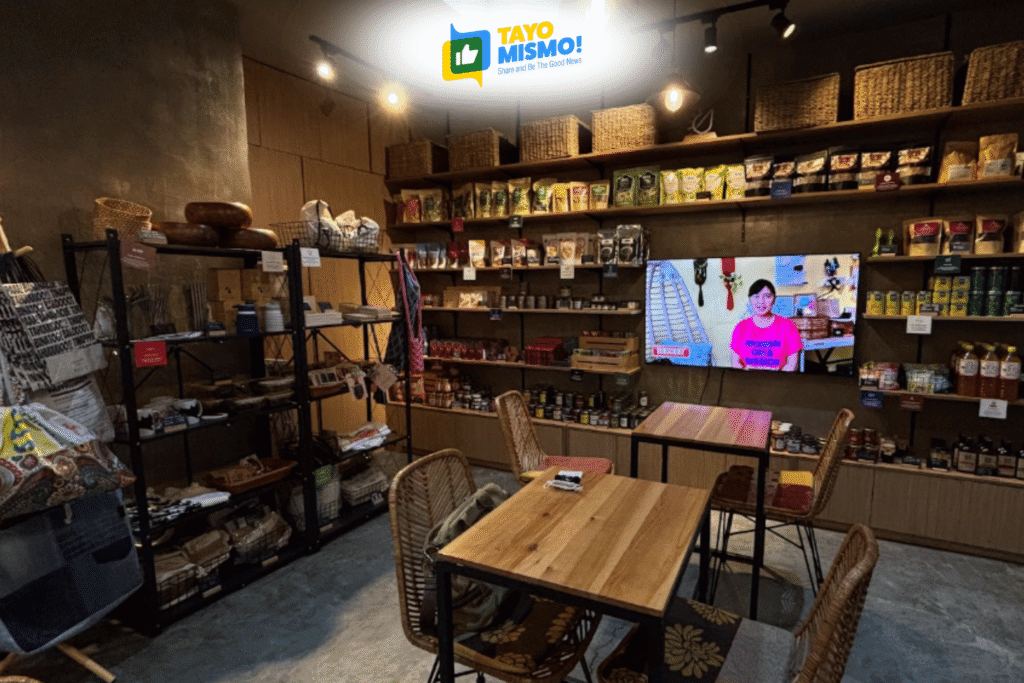
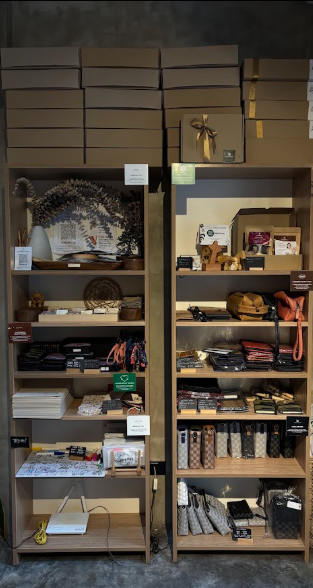
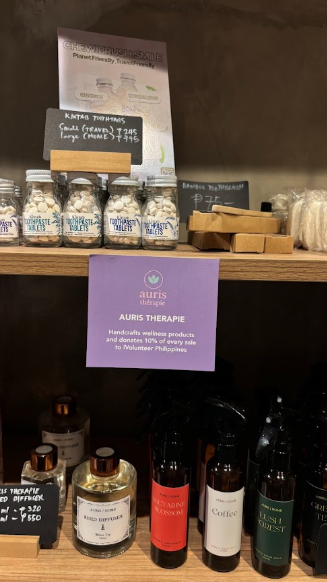
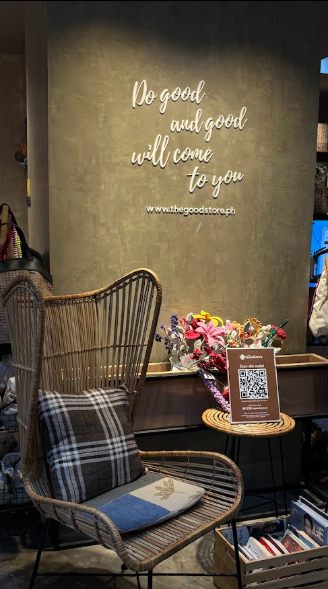
Along Buendia in Makati, a store brings together products with stories that reach far beyond their shelves. There are chocolates, coffee, herbal teas, woven goods, handmade decorations and items made from materials that might otherwise end up as waste. Behind many of them are farmers, artisans and community entrepreneurs working to earn a living while pursuing something bigger than sales.
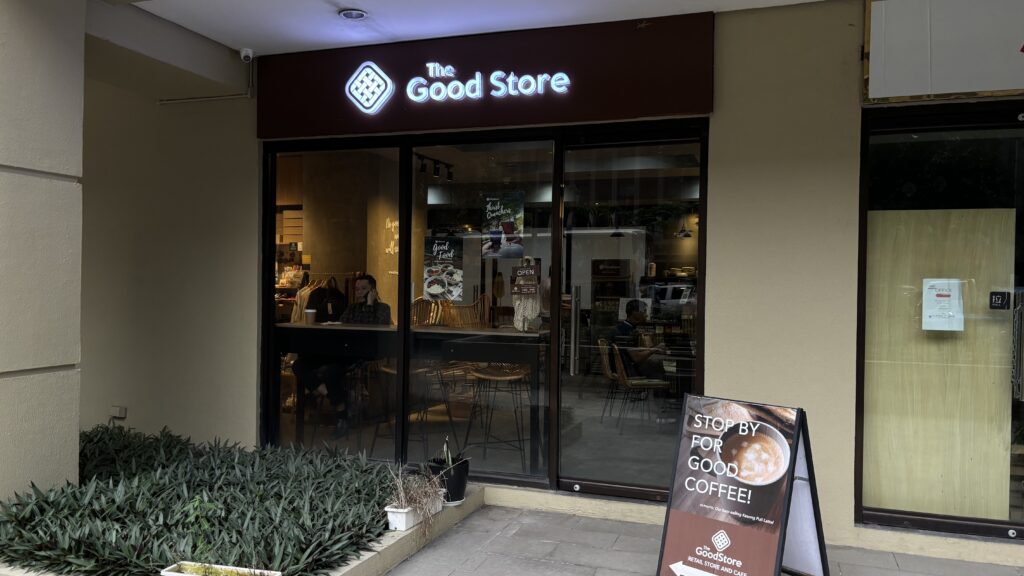
This is The Good Store, a retail business that helps social enterprises, nonprofits and purpose-driven brands bring their products to more people.
Co-owned by JB Tan, who also co-founded iVolunteer Philippines, the store began as an online business in 2017 before opening its physical shop. It now carries around 60 brands and between 500 and 600 products, chosen according to a simple principle.
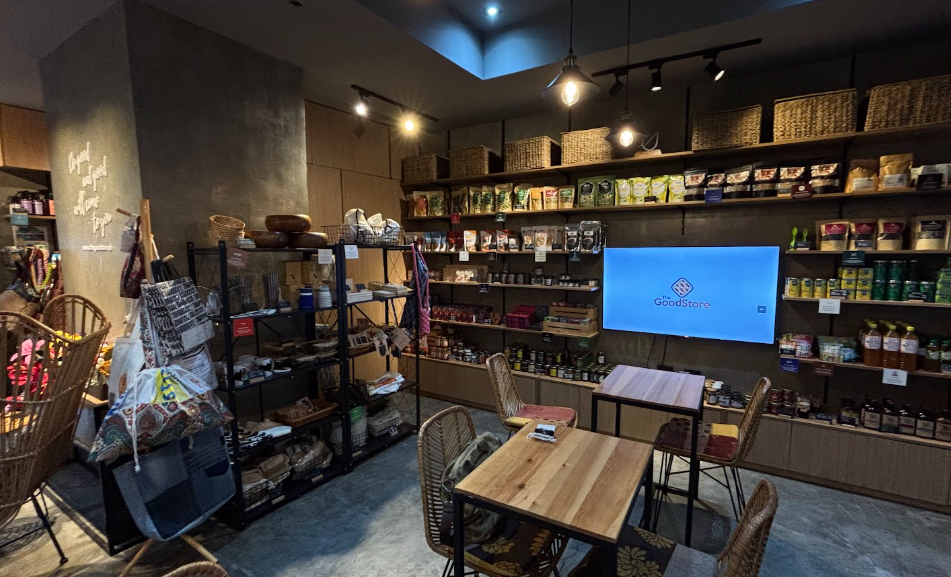
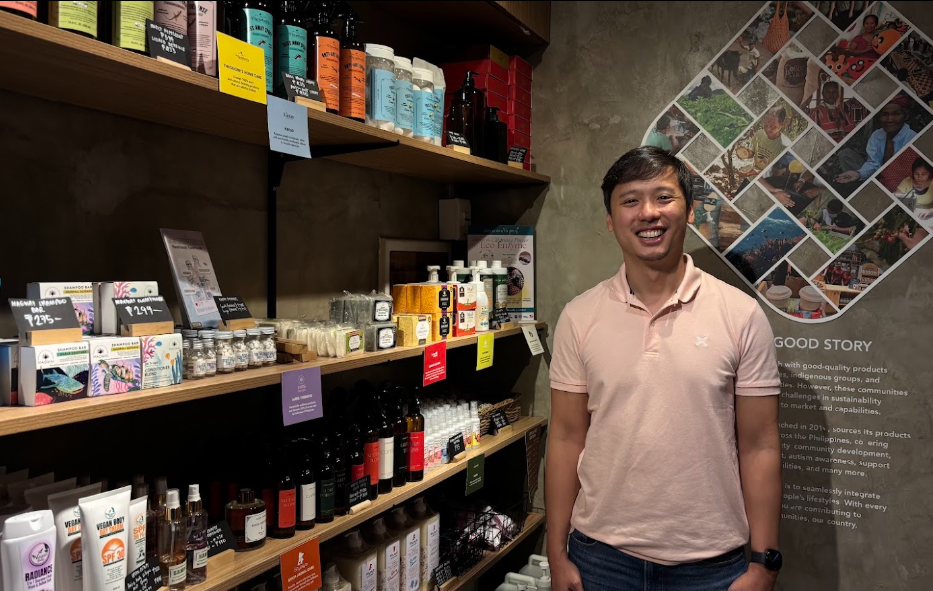
“Everything we carry, it’s either good for people or good for planet,” Tan said.
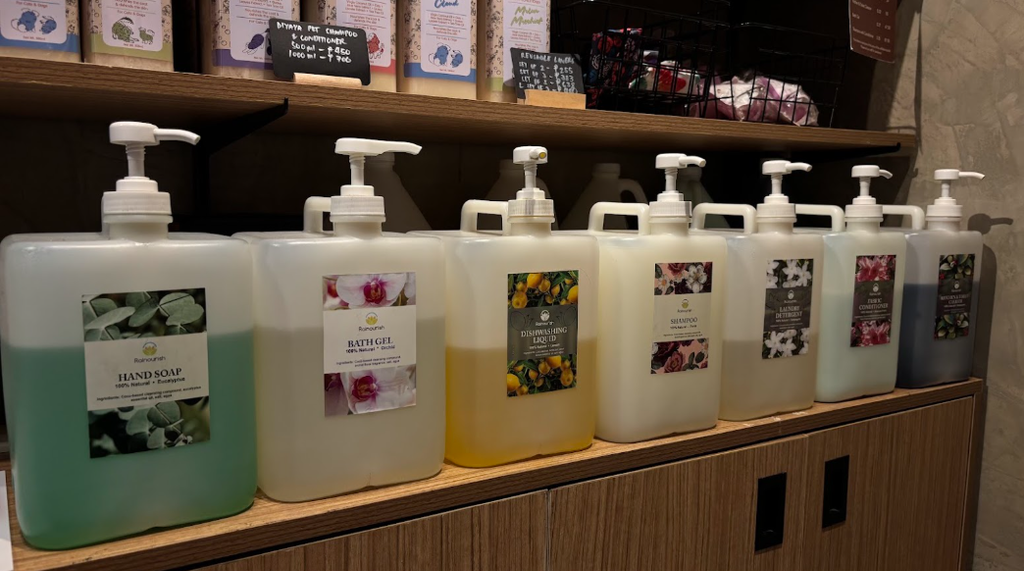
The Good Store also operates a café serving coffee, tea and food made with ingredients and products sourced largely from the same social enterprises and community partners it supports. The idea is to make socially responsible shopping accessible to ordinary customers. People can buy something they need or want while supporting the communities behind it.
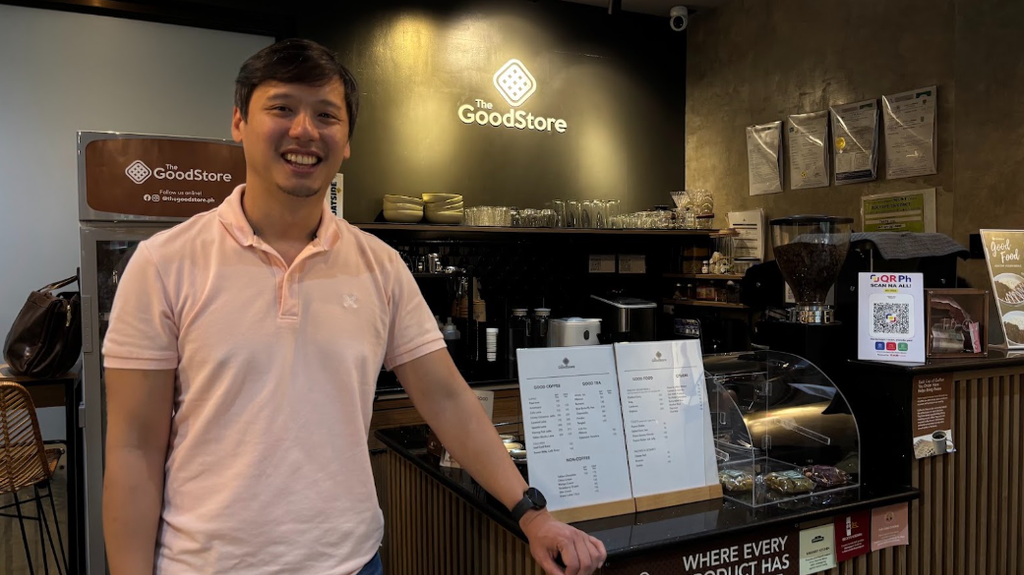
But Tan is clear about one thing. He does not want customers making a “pity purchase” simply because they feel sorry for the people who made a product.
“We don’t want the concept of pity buy. The product has to stand on its own,” he said.
The products must stand on their own merits, whether through quality, usefulness or design. Their social impact gives customers another reason to choose them, but the products still have to compete in the marketplace.
Helping communities find a market
Among The Good Store’s partners is Coffee for Peace, which works with Indigenous communities and rural farmers in Mindanao through coffee growing and peace-building. The store also carries locally made food products, woven goods from La Union and livelihood products made by groups such as Project PEARLS.
In Rizal, it works with Indigenous organic farmers whose flowers and herbs go into its house-branded teas, including hibiscus tea. The partnership took shape during the pandemic, when farmers struggled to bring produce to market and some harvests went to waste. The Good Store helped turn the flowers into a packaged product, giving the farmers another way to earn from their harvest.
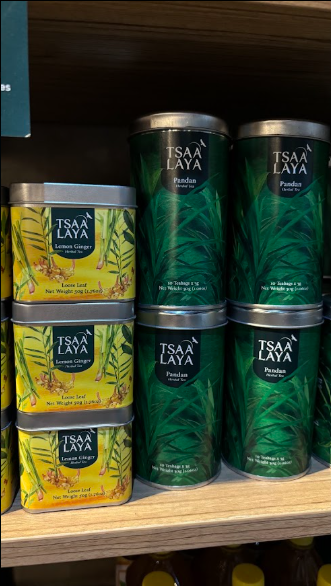
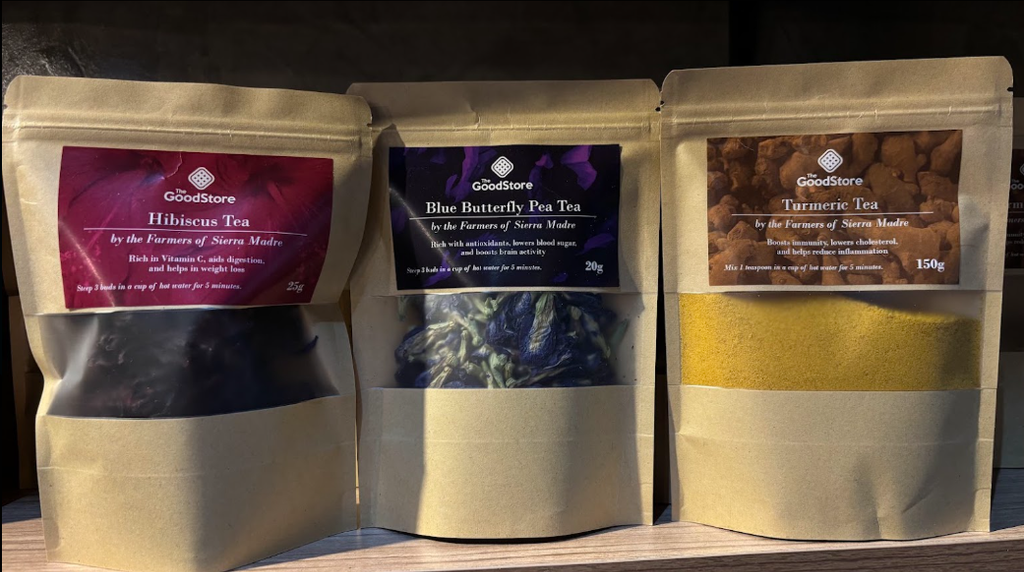
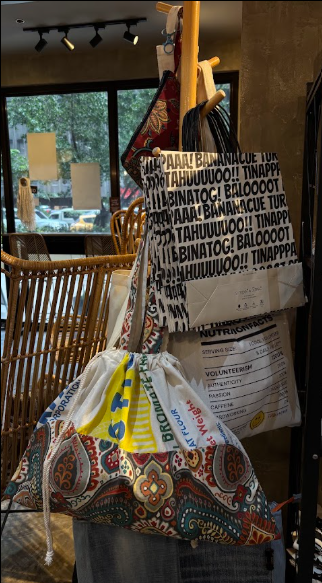
For Tan, supporting these communities means helping them get their products ready for customers, not simply putting them on store shelves. The business is working toward a shared processing facility in Rizal to help farmers reduce spoilage and improve production.
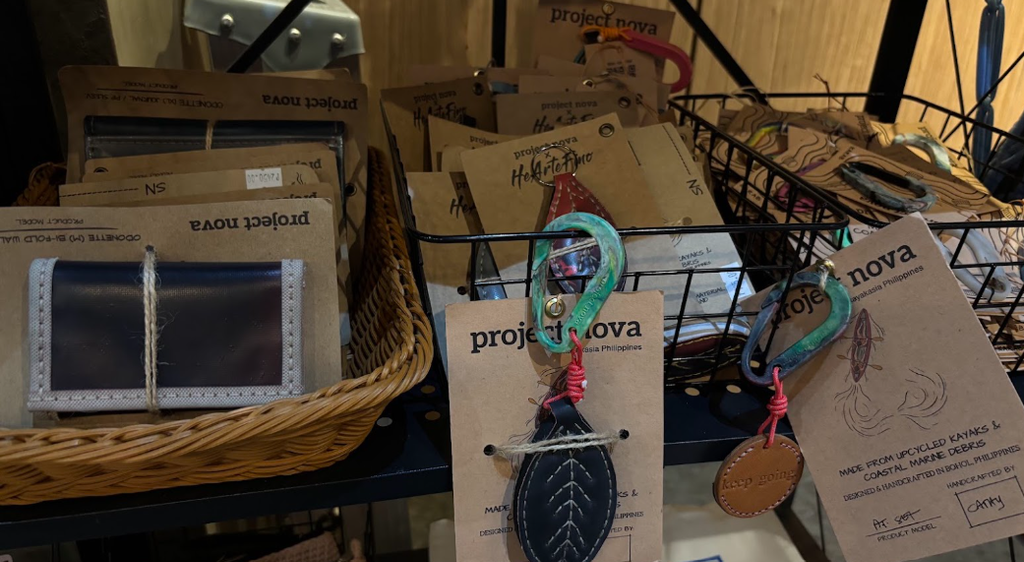
The store also supports environmental initiatives through Project Nova, which turns recovered materials such as discarded slippers and old inflatable kayaks into useful products.
Making the model sustainable
Running a business with this mission comes with practical challenges. The Good Store must balance affordable prices for customers with fair earnings for suppliers, while managing the logistics of sourcing from communities that may be far from major markets.
It also avoids charging suppliers listing fees, which can eat into the earnings of small producers. “We don’t charge listing fees,” Tan said, explaining that such charges would “defeat the purpose and mission of the store.”
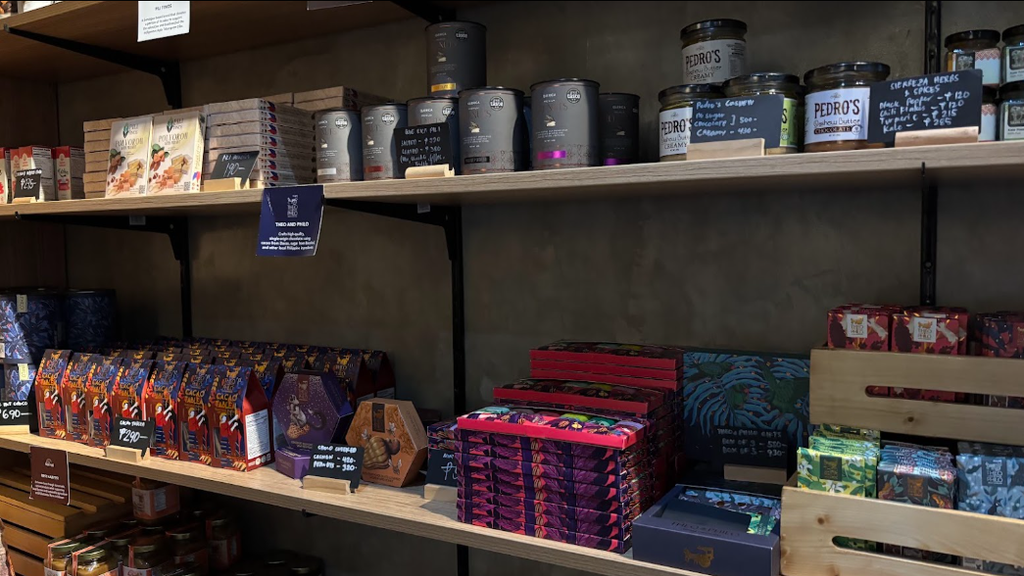
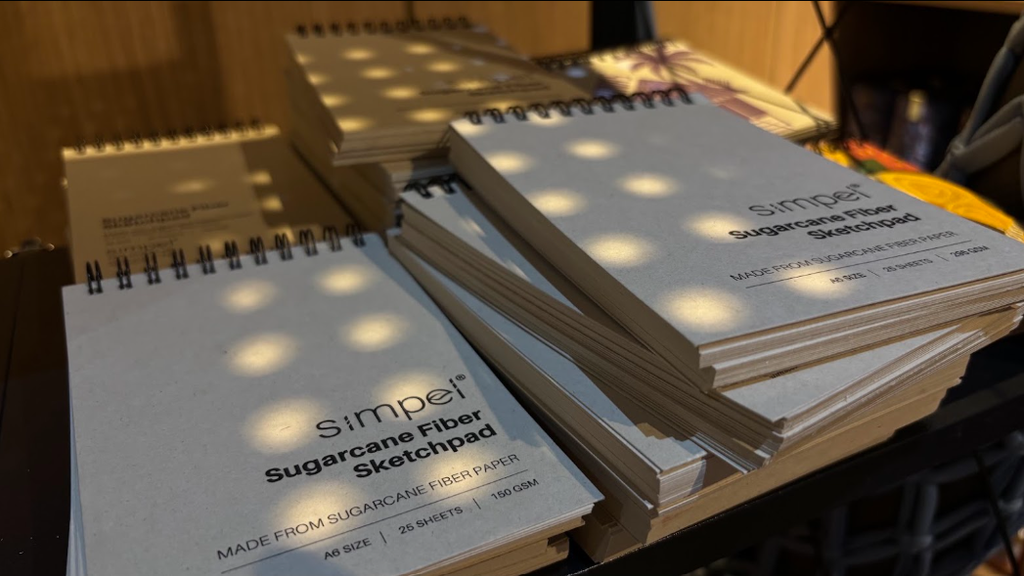
To strengthen the business, it has been developing its own products, using partner ingredients in its café and exploring ways to improve distribution and warehousing. These efforts can help the store earn revenue while creating additional opportunities for its suppliers.
The aim is to build a business that can sustain itself while creating opportunities for others. The store is exploring expansion, which could give more community-made products access to customers.
“It’s rewarding to run a business that can also contribute to something good,” Tan said.
The work is not simply about filling shelves with products that have a good story. It is about helping the people behind those products find a market, earn from their work and keep going.
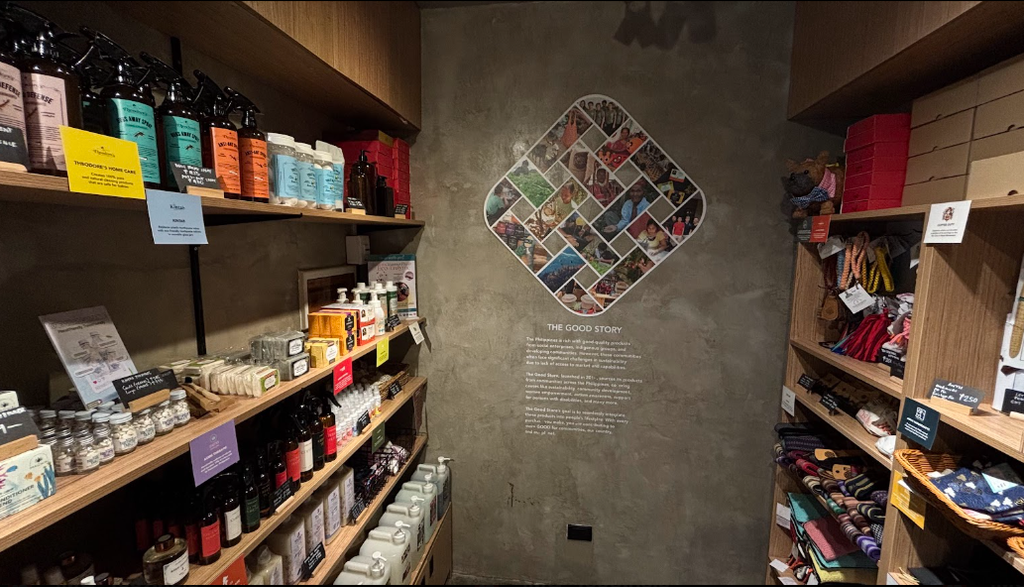
For customers, that can begin with an everyday purchase. A bag of coffee, a bar of chocolate or a handmade item can connect them to a farmer, an artisan or a community whose work deserves a place in the market.
At The Good Store, the products on its shelves represent the work of farmers, artisans and community entrepreneurs looking for a market. By helping them reach customers and build sustainable livelihoods, the business gives their work a chance to grow beyond the communities where it began.