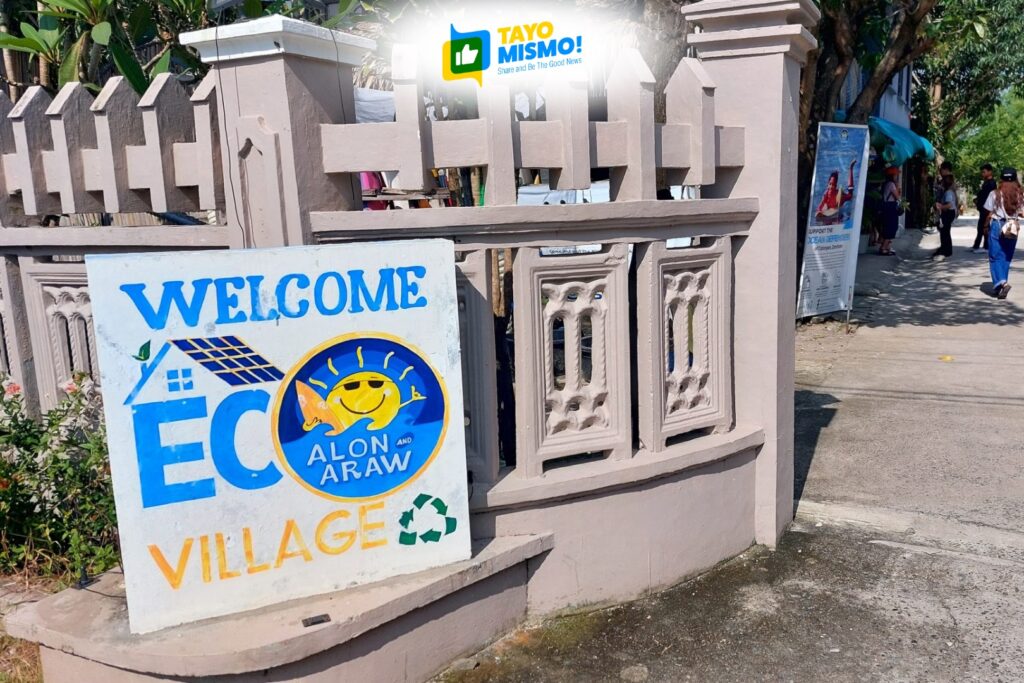

When Donn Lawrence Quintos co-founded Alon and Araw in 2021, he had one thing in mind: protect the ocean from plastic pollution while uplifting coastal communities. Just four years in, the nonprofit has already diverted more than 90,000 kilos of plastic waste from the sea, upcycling it into useful products and proving that sustainability can be engaging, practical, and deeply rewarding.
At the center of their work is a unique program called Surfboard Barbara, where children and community members take part in beach cleanups in exchange for surfing lessons.
“We wanted to share the fun of surfing,” Quintos said. “By linking it to cleanups, we got the community involved in a meaningful way.” The model works not just because of the reward, but because it taps into the natural bond locals already have with the ocean—whether as surfers, swimmers, or divers.
But Alon and Araw, headquartered in a coastal community in Zambales, is more than just about cleaning beaches. The organization is just as committed to education and empowerment. Its Digital Learning Center currently supports ten students with scholarships and digital literacy courses, equipping them with skills for the future.
Quintos sees this as crucial to long-term change: “We’re seeing real progress, especially among the older kids.” For Alon and Araw, protecting the ocean and investing in children’s futures go hand in hand.
The group’s initiatives were showcased during an NLEX Lakbay Norte trip, where visitors saw firsthand how locals trade segregated plastics for essentials like rice and canned goods. The collected plastics are then turned over to partner NGOs, who transform them into items like chairs and even fun run medals. This approach not only keeps plastic out of the ocean but also helps households meet their daily needs.
“We’re creating value for the waste,” Quintos said. “When people see that plastic has value, they’re more likely to dispose of it properly rather than just throw it into the ocean.”
Shifting mindsets has been one of the toughest challenges for the group. In many communities, burning plastic waste was a long-held habit. Alon and Araw tackled this through patient, grassroots engagement—knocking on doors, explaining the toxic effects of burning, and offering alternatives. Slowly but surely, behavior began to change.
Quintos also emphasized the role of sports and community engagement in driving sustainability. Surfing, in particular, has become a gateway for locals to care about the environment. “Sports and community engagement can drive sustainable practices,” he said.
None of this has been easy, but the team remains motivated by passion rather than profit. “We’re building four pillars for our efforts, and we’re doing this out of passion,” Quintos said. “None of us get paid, but we’re committed to making a bigger impact.” Looking ahead, the group hopes to replicate their model in other coastal towns across the Philippines, helping more communities ride their own wave of change.
From diverting plastics to teaching kids how to code, Alon and Araw is showing that sustainability isn’t just about the environment—it’s also about people, opportunity, and dignity. It’s a story of how one idea, born from love of the ocean, is reshaping communities and giving the next generation the tools to thrive.
Alon and Araw’s story reminds us that small actions, when linked with community spirit, can create lasting change. Plastic pollution is a global crisis, but solutions don’t always have to come from big corporations or governments—they can start at the shore, with ordinary people making a difference.
If you live near the coast, organize a cleanup. If you’re far from the sea, support local organizations that champion sustainability. Choose to reduce single-use plastics. Share stories like Alon and Araw’s to inspire others. Every piece of plastic kept out of the ocean and every child given access to education brings us closer to a cleaner, more hopeful future.
Together, we can turn the tide.