
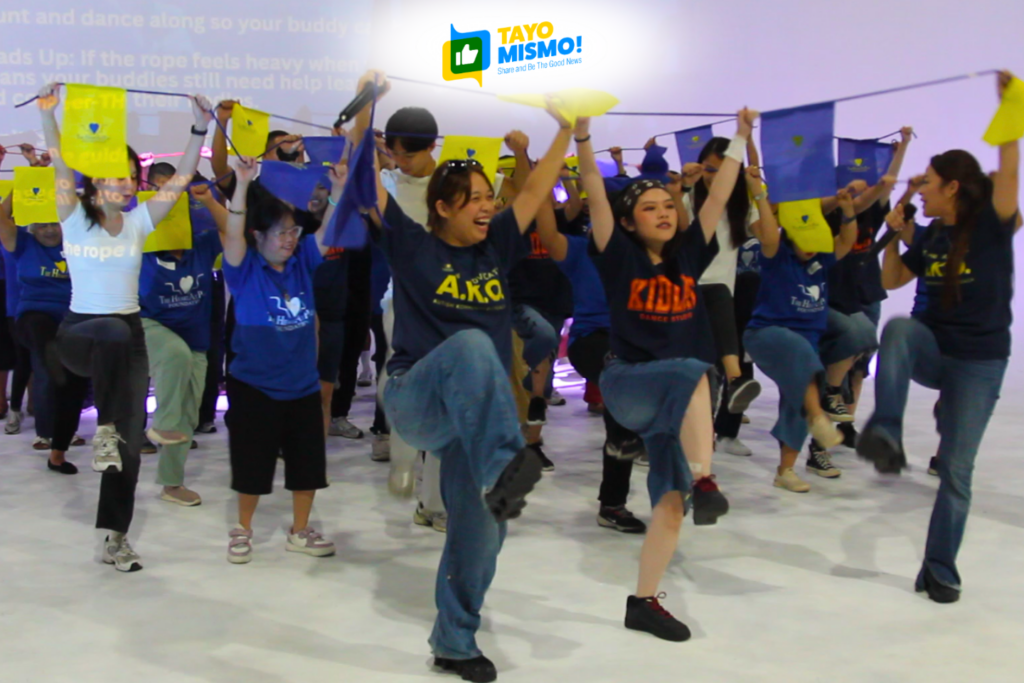

Dance movement therapy can give children with special needs another way to learn, express themselves, and build confidence. When integrated into Special Education (SPED), movement and dance can support a child’s development while making learning more engaging and accessible.
Dance movement therapy (DMT) uses movement as part of a therapeutic approach. Activities can be adapted to a child’s developmental needs, helping them work on skills through guided movement, interaction, and play. While practiced abroad for years, the approach remains relatively unfamiliar in the Philippines.
The Heart at Play Foundation (THP) has brought DMT into SPED through a program designed for People with Special Needs (PWSNs).
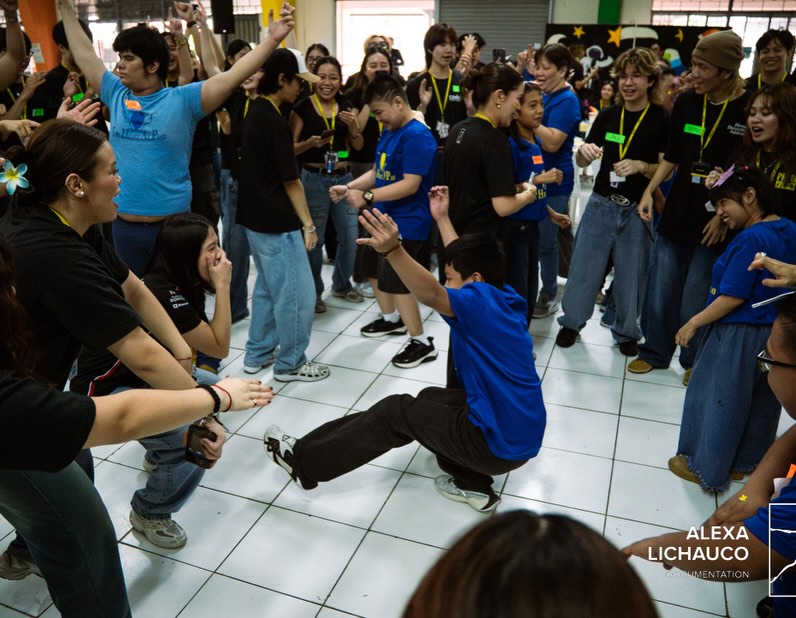
Founded in 2011 by Special Education graduate Ana Rivera, THP became the country’s first non-government organization to provide a DMT program for PWSNs. Alongside her daughters, Therese and Patricia, Rivera developed a program serving children with ADHD (attention deficit hyperactivity disorder), autism, Down syndrome, cerebral palsy, and other developmental disabilities.
The program combines movement with SPED principles and Applied Behavior Analysis (ABA). A dance activity, for instance, can help a child practice following instructions, improve coordination, interact with others, or manage emotions in a setting that feels natural and enjoyable.
Rather than focusing on dance technique, sessions use movement to build skills that children can bring into their daily lives at home, in school, and in their communities.
THP operates both paid and free weekly programs. The foundation also provides transportation fees for participating children and their families, helping make its programs more accessible.
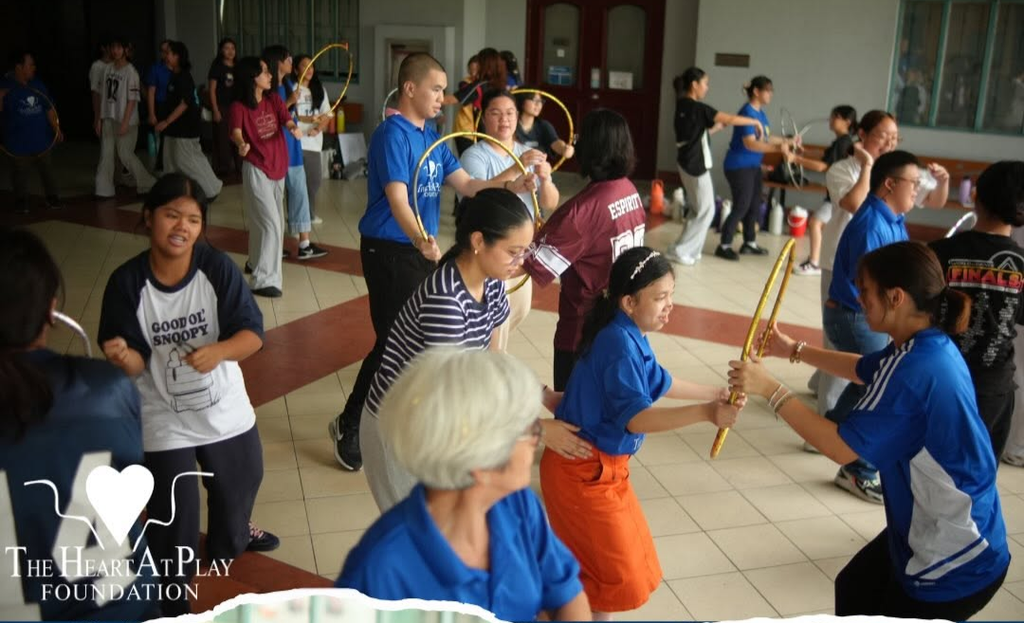
THP also holds movement-based outreach activities where children with disabilities can dance, play, and learn alongside volunteers. It conducts workshops on accessibility and inclusion as well, including introductory Filipino Sign Language sessions.
The work offers a practical example of how SPED can incorporate creative approaches into developmental support, particularly as many Filipino families face high therapy costs and limited access to specialists.
THP’s experience can also inspire others to take part. Schools, organizations, community groups, and even circles of friends can create inclusive activities where children with special needs can learn, participate, and connect.
If one foundation can use dance to open more opportunities for children, other groups can find their own ways to contribute. A class, workshop, outreach activity, or community program can become a place where every child gets the chance to move, learn, and belong.