

In Kabacan, Cotabato, students at the University of Southern Mindanao (USM) recently spent a day talking about something that now shapes almost every part of student life—being online.
For many young people in Mindanao, the internet is no longer just a space for social media. It is where assignments are submitted, side income is explored, skills are built, and opportunities are found. It is also where risks move just as quickly, from scams and misinformation to threats involving privacy and online exploitation.
Globe and Ayala Foundation equip Mindanao pupils with tools for safer online spaces and practical digital skills
Building safer digital habits
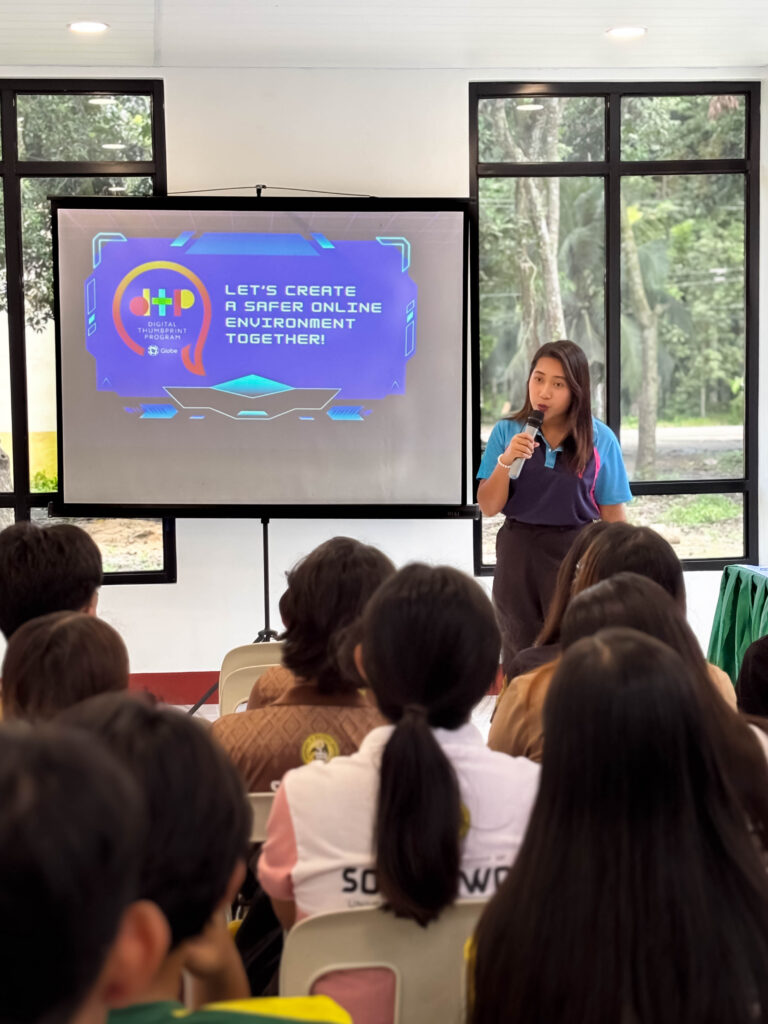
Project Pastil, launched by Globe in partnership with Ayala Foundation, was introduced at USM through sessions on digital literacy, ethical AI use, and online safety. The program mixes classroom discussion with real-world scenarios, especially relevant in communities where access to digital education and tools can still be uneven.
The name comes from pastil, a simple rice meal commonly sold around schools and campuses across Mindanao, often chosen by students because it is affordable, filling, and easy to take on the go. The reference carries over to the program’s intent. Like the meal that sustains students through long days, the initiative aims to support them with something just as necessary in today’s environment, practical digital awareness that can be used in everyday situations.
Around 40 student leaders and underserved learners took part in the initial rollout, joining sessions under Globe’s Digital Thumbprint Program. The discussions covered data privacy, cybersecurity, critical thinking, and the responsible use of artificial intelligence. Instead of staying theoretical, the lessons were tied to familiar online behaviors, such as sharing personal information, engaging with unfamiliar links, or encountering AI-generated content.
Tools, access, and real-world use
Facilitators noted that the value of the program goes beyond information. It helps students build confidence in navigating digital spaces, asking better questions about what they see online, and understanding the responsibility that comes with constant connectivity.
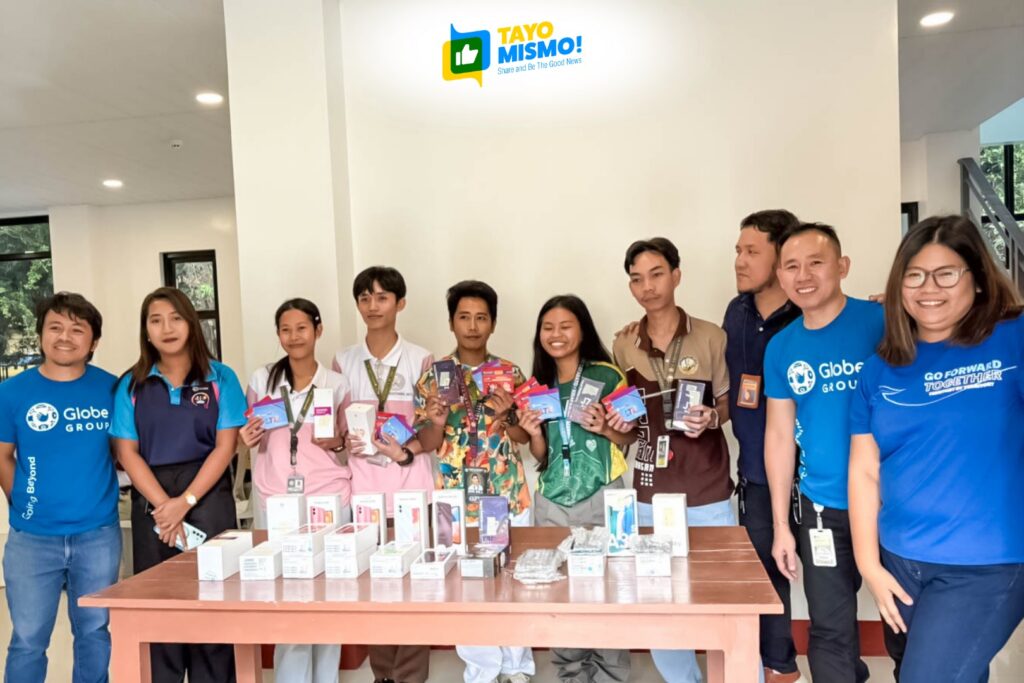
Selected participants also received SIM cards and pre-loved smartphones, along with access to applications that support communication and small digital livelihood opportunities. The support removes some of the practical barriers that can limit participation in digital spaces, while also giving students a way to explore income opportunities without stepping away from their studies.
USM, which has long worked to expand access to science and technology education, continues to integrate programs that prepare students for both academic and real-world demands shaped by technology.
Project Pastil sits at the intersection of learning and lived experience. It introduces tools, but more importantly, it encourages students to move through digital spaces with awareness, responsibility, and a clearer sense of how these platforms shape everyday life.