
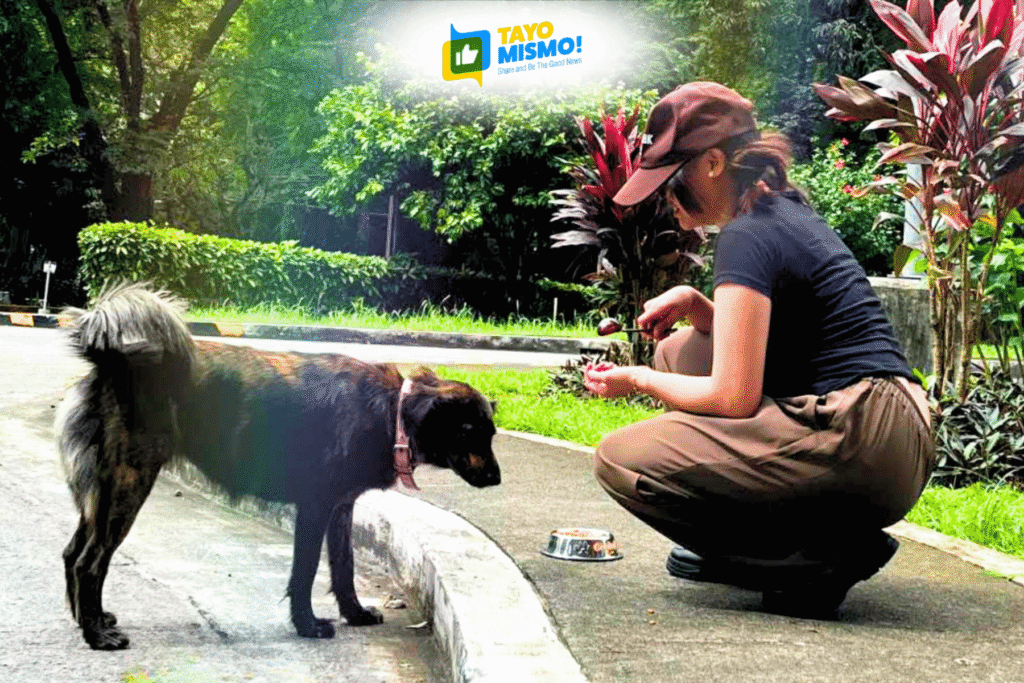

Student organizations across the country have taken on the responsibility of ensuring that campus animals are fed, protected, and given a chance at a better life.
In the University of the Philippines Diliman, Community Animals Partners and Welfare Advocates (CAPWA UP) leads initiatives that promote harmony between people and animals on campus.


The organization conducts regular feeding programs, organizes donation drives, raises awareness about animal welfare issues, and encourages the adoption of abandoned campus dogs and cats, affectionately known as “iskats.”
CAPWA UP is not alone in this effort. Across Metro Manila’s major universities, similar volunteer-led initiatives are working toward the same goal: creating campuses where animals are treated with care.
Across Katipunan at the Ateneo de Manila University, Ateneans Guided and Inspired by Love for Animals (AGILA) advocates for responsible animal management while encouraging compassion through education and awareness campaigns.
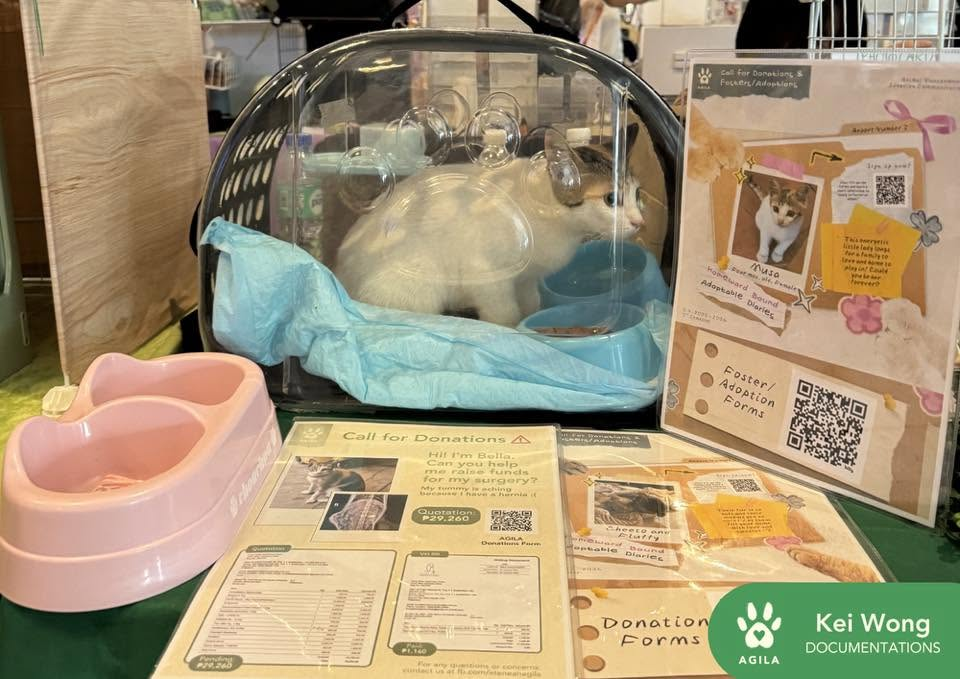
The group regularly calls on volunteers to foster and adopt campus cats, known among the students as the “cateneans,” while also organizing feeding programs and even hosting cate cafes that help students interact with and support the animals on campus.
Meanwhile, the University of Santo Tomas supports its community animals through UST Cats & AWA, a volunteer network composed of faculty members, students, support staff, and alumni.
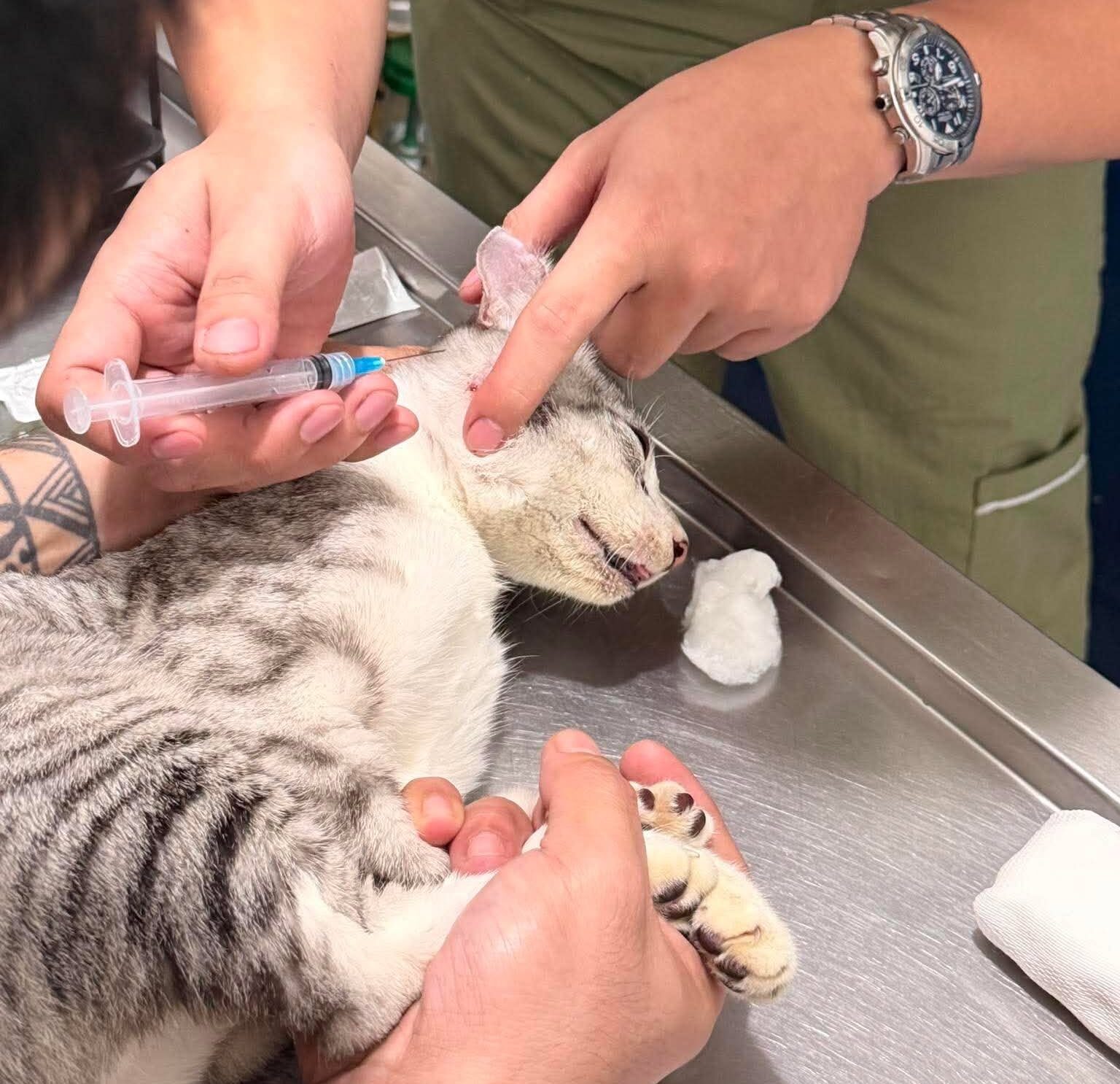

Beyond feeding programs, the group installs automatic food and water stations around campus, coordinates veterinary visits, and facilitates foster care and adoption for the university’s resident dogs and cats, often called their “tiny tigers” as a nod to UST’s Growling Tiger symbol.
A similar effort exists at De La Salle University, where DLSU-PUSA (Professors for the Upliftment of Society’s Animals) brings together faculty, students, and alumni volunteers to provide comprehensive care for stray animals.

Their work extends beyond feeding and includes veterinary services and treatment, as well as rehoming efforts that help control stray populations while improving animal welfare.
As more universities embrace similar initiatives, these student-led efforts offer a reminder that caring for animals is also about building kinder communities.
The work of these organizations shows that creating animal-friendly campuses is possible when students choose to get involved. Whether through a feeding program, volunteer network, or adoption campaign, every effort can help build communities where both people and animals are given the chance to live safely and coexist.