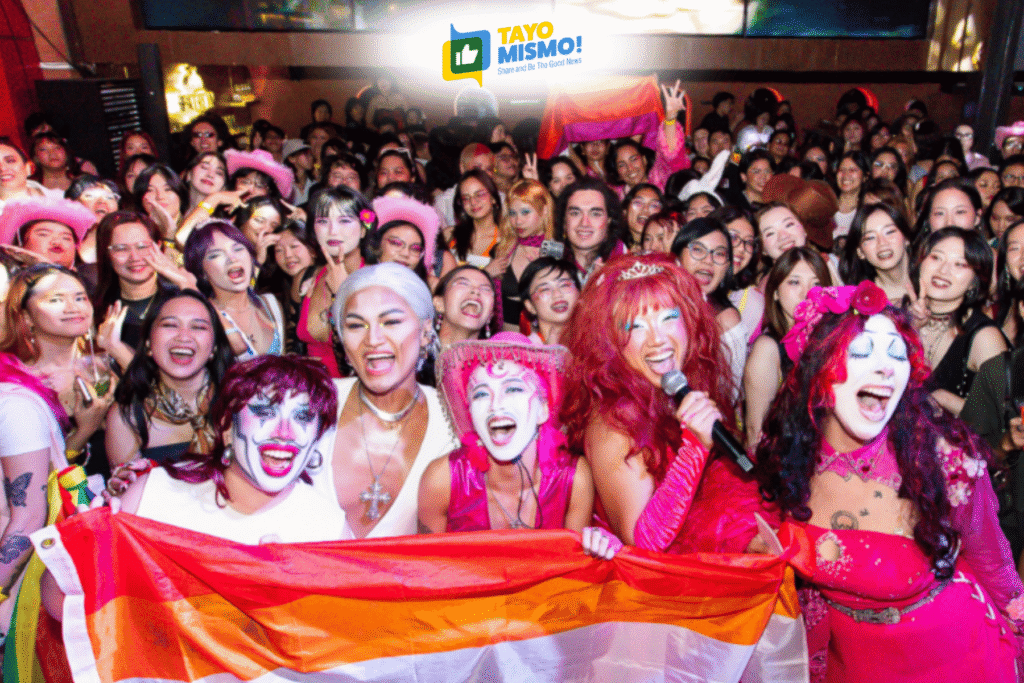

Sapphic spaces and events built specifically for queer women, create room for connection without compromise. They can take many forms, from quiet daytime hangouts to nightlife events, giving members different ways to build community. While such spaces have existed abroad for years, dedicated ones for the WLW community remain rare in the Philippines.
In a city where safety and belonging can never be taken for granted, The Sunny Club offers something rare: a safe haven.
Founded by Jewel Elizabeth Enrile and Carolina Angelica “Cal” Lim Tolentino, the collective grew out of a clear need: the lack of dedicated, exclusive spaces for sapphic individuals in the country.
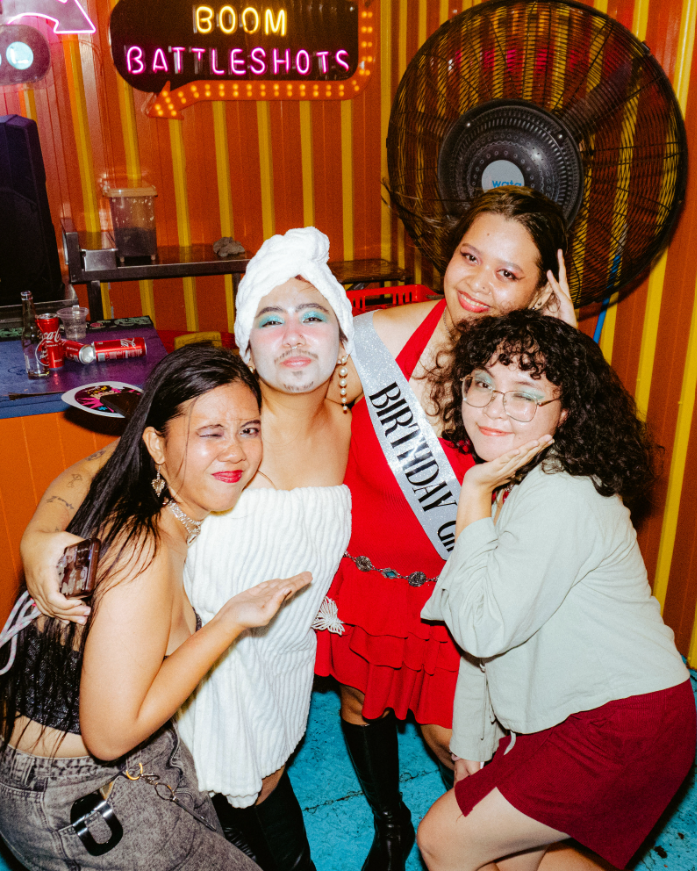
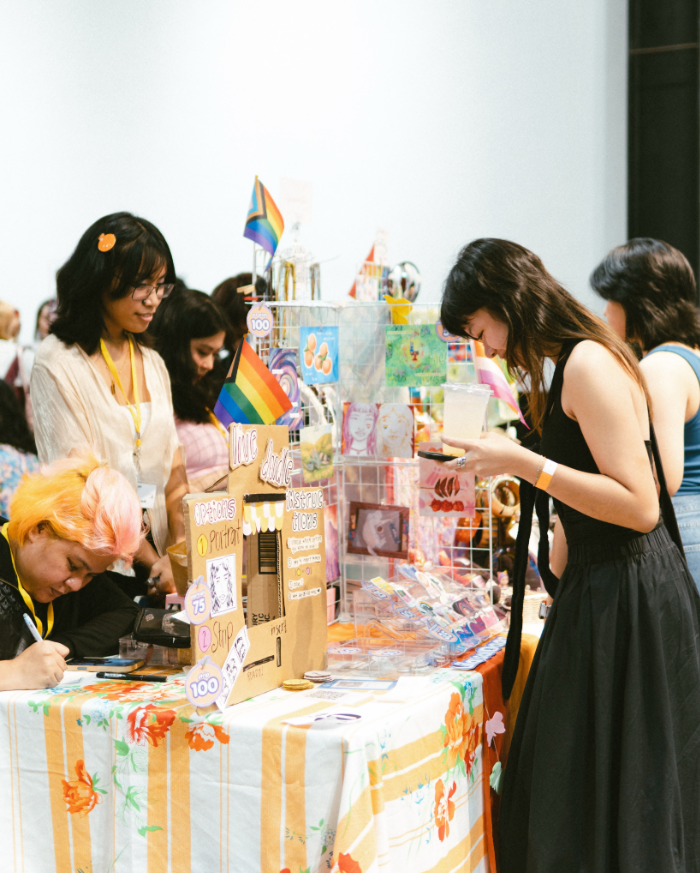
What began as a series of events has since grown into a full community. Its primary rule keeps the space intentional—cisgender straight men are not permitted, removing the need for members to constantly negotiate their own safety.
What began as a series of events has since grown into a full community. Its primary rule keeps the space intentional—cisgender straight men are not permitted, removing the need for members to constantly negotiate their own safety.
The collective’s initiatives span both day and night. Daytime gatherings include silent book clubs, film screenings, board game sessions, and casual café meetups, while nightlife events give members room to party, dance, and socialize.
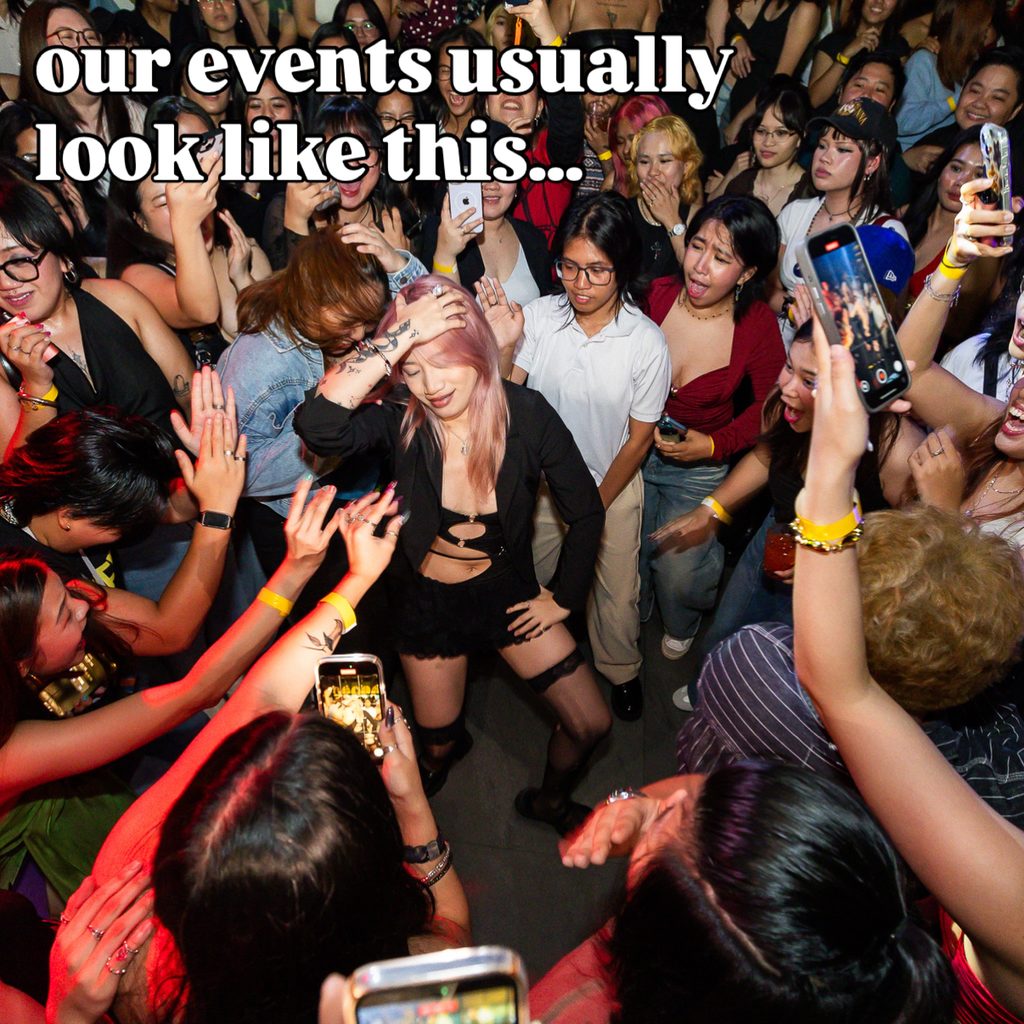
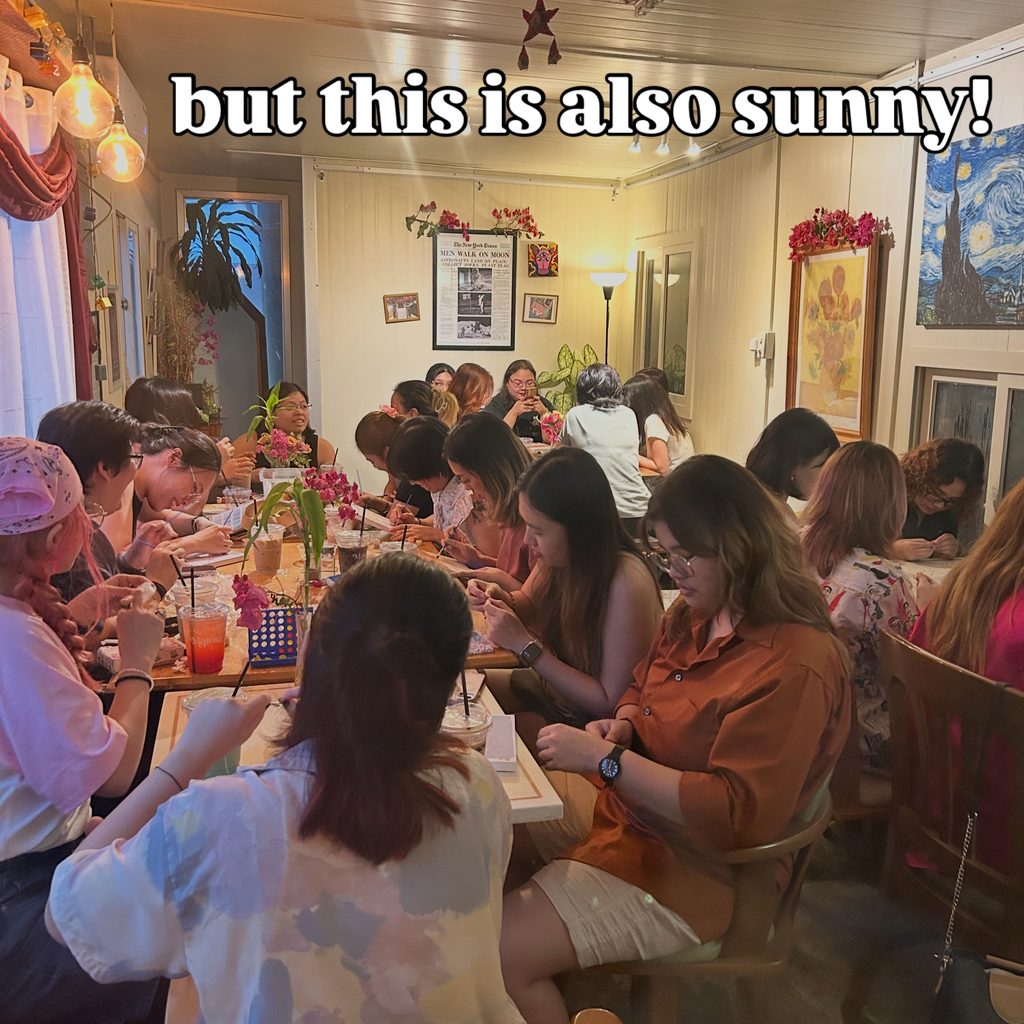
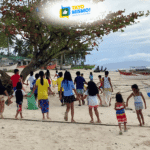
The Sunny Club also runs matchmaking activities, pop-up markets, and out-of-town trips, including beachside getaways to La Union.
Rather than treating each gathering as a standalone event, they build around continuity, creating a community members can return to and grow within long after a single event ends. First-timers, even those who arrive alone, often find themselves welcomed into conversations and folded into a crowd that feels familiar rather than foreign.
Queer women often experience isolation, and finding community can feel like a matter of luck rather than certainty. Spaces like these become essential, allowing people to see themselves reflected in others and build something larger than individual moments.
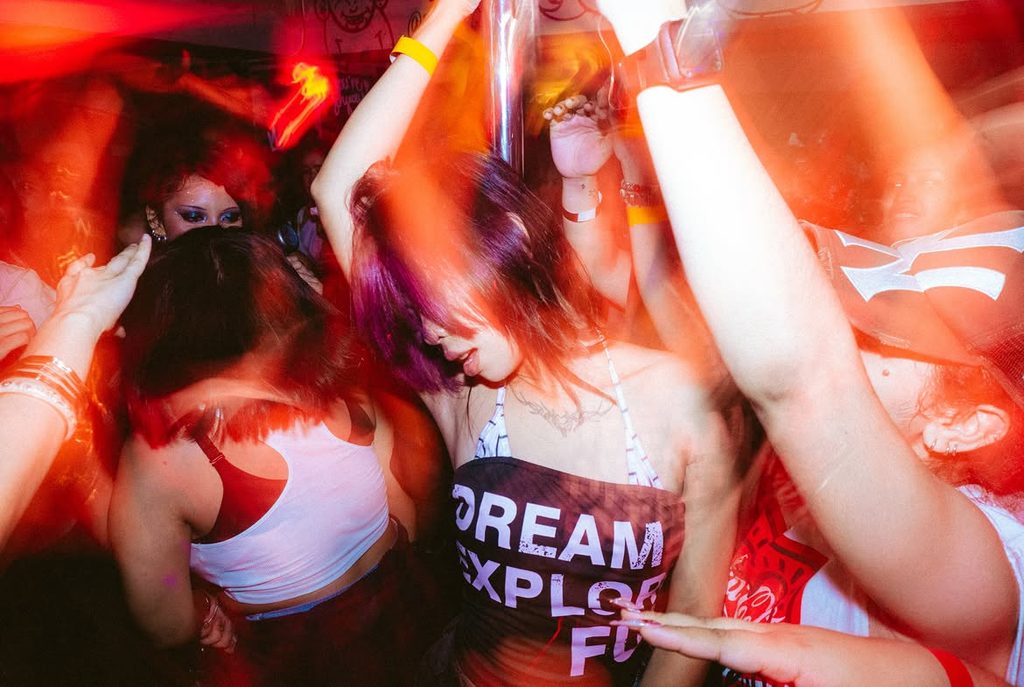
The Sunny Club also extends this intention to who shapes its spaces, not just who attends them. DJs, organizers, and other creatives behind its events come from within the community itself, making inclusion a matter of authorship as much as attendance.
The collective’s work offers a glimpse of what dedicated, community-built spaces can look like for queer women in the Philippines. The Sunny Club proves that a hangout, a workshop, or a community event can become a place where every queer woman gets the chance to connect, belong, and simply exist.