
When Super Typhoon Yolanda struck Tacloban City in 2013, Eastern Visayas Medical Center lost its ability to generate medical oxygen on site. For over a decade, hospital staff in the Tacloban facility relied entirely on external suppliers to meet daily patient needs, facing logistics risks during regional emergencies.
That long reliance ended when PBSP ACCESS TB turned over a brand-new Oxygen Generating Plant to the Tacloban hospital. Supported by The Global Fund’s COVID-19 Response Mechanism, the facility can now refill around 300 oxygen cylinders every day. This daily supply strengthens hospital operations and builds a dependable shield for future regional health crises across Eastern Visayas.


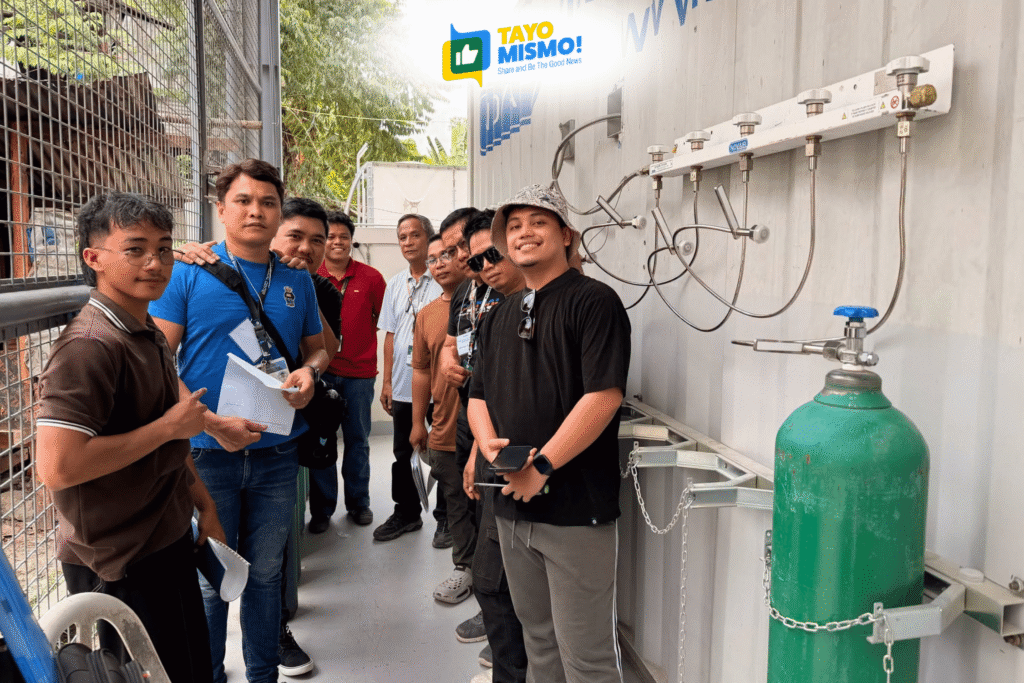
Equipment alone cannot save lives without skilled hands to operate it. Following the turnover, 35 engineering, technical, and administrative staff members gathered at the Tacloban facility for an intensive three-day practical workshop. Participants worked through standard operating protocols, safety measures, preventive care, and troubleshooting steps.
Hands-on exercises ensured the team gained complete confidence in managing every component of the plant. With trained local staff running the system, Eastern Visayas Medical Center secures a sustainable source of life-saving oxygen for patients across the region.


This milestone shows how practical investments and targeted skills training can rebuild essential public services from the ground up. Building resilient systems in our communities starts with small, concerted actions.
If a dedicated partnership can restore vital health infrastructure for an entire region, your community group or organization can take on a local challenge too. Consider partnering with healthcare advocates, supporting local medical drives, or organizing community initiatives that protect vulnerable neighborhoods.