
It takes about 100 plastic sachets to create a single eco-brick.
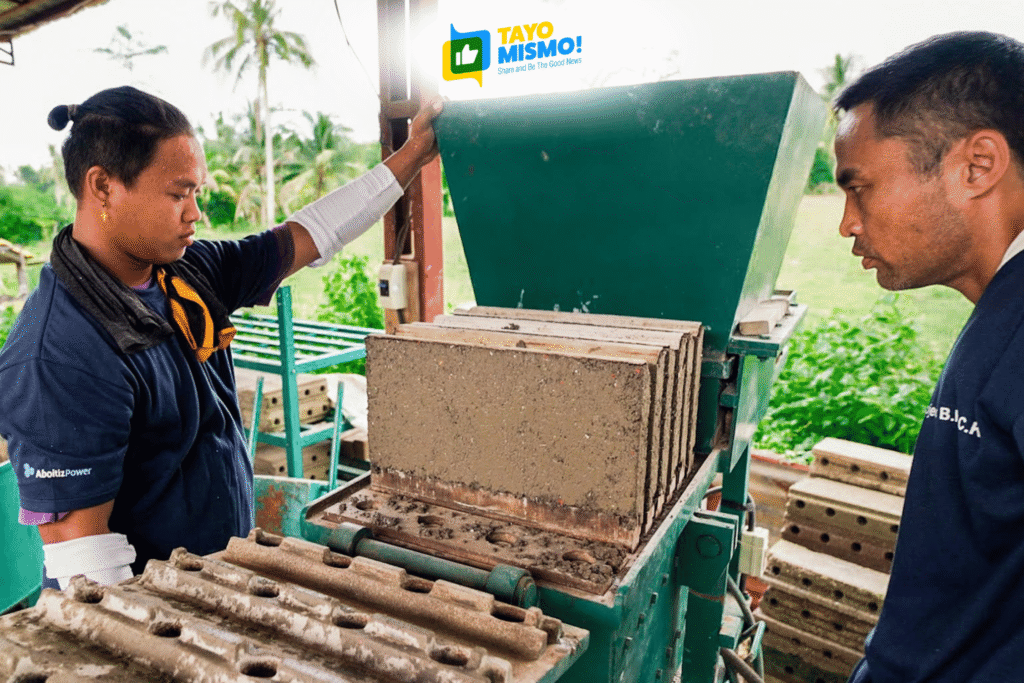
In Davao and Toledo City, Cebu, communities near two AboitizPower coal plants are collecting the shampoo and coffee sachets that usually end up as trash and handing them over to be shredded, mixed with fly ash and cement, and pressed into construction materials.
The project is called BRICK Hub, short for Building Resilient Infrastructure and Communities through Kaibigans. It runs through AboitizPower’s Therma South in Binugao, Davao, and Therma Visayas in Bato, Toledo City, with the Aboitiz Foundation funding the sites and the social enterprise Green Antz Builders providing the eco-brick model and training residents as brickmakers.


Local cooperatives operate the hubs and sell what they make, with the first hub launched in Binugao in November 2021, with Toledo following in 2022.
The other ingredient is fly ash, a byproduct of burning coal. The plants send it to the hubs for free, and is mixed with an equal part of cement. AboitizPower says the ash, though initially classified as hazardous, is treated to be non-hazardous before it leaves the plant.
What comes out are eco-bricks, eco-pavers, and eco-casts that the company says are up to nine times stronger than ordinary hollow blocks. These bricks have been used to build roads, pathways, and buildings across the country.
Residents can trade bags of sachets at collection points and eco-stores for sacks of rice or school supplies. In Toledo, the scheme is called “Basura Mo, Bigas Ko,” where two kilos of plastic waste can get you one kilo of rice, with barangay officials handling the collection.
The different local hubs also hire locals to make and sell the products. TUFFWOW (Toledo United Farmers, Fishermen and Women Workers), a community cooperative based in Toledo started with seven associations across four barangays and now, it counts close to 1,000 members.


However, this is still small next to the problem. The Philippines uses an estimated 60 billion plastic sachets a year, according to a 2019 study by the Global Alliance for Incinerator Alternatives (GAIA). Manila Bulletin reported in 2025 that the Toledo hub ran a single machine making about a thousand bricks a week, which at 100 sachets a brick comes to roughly 100,000 sachets a week.
They even reuse their own byproducts. The ashes from the machines’ burning coal are used for the bricks themselves as well.
This is proof that even plastic sachets can be given a price and a new life. Once they’re worth a kilo of rice, people have a reason to collect them, and some local governments have already shown interest in copying the hubs.
If you live near one, ask your barangay about trading plastic. You can also start with keeping sachets out of your general trash and finding out whether a hub or eco-store near you takes them.