
A cleaner river can mean a safer community when heavy rains come.
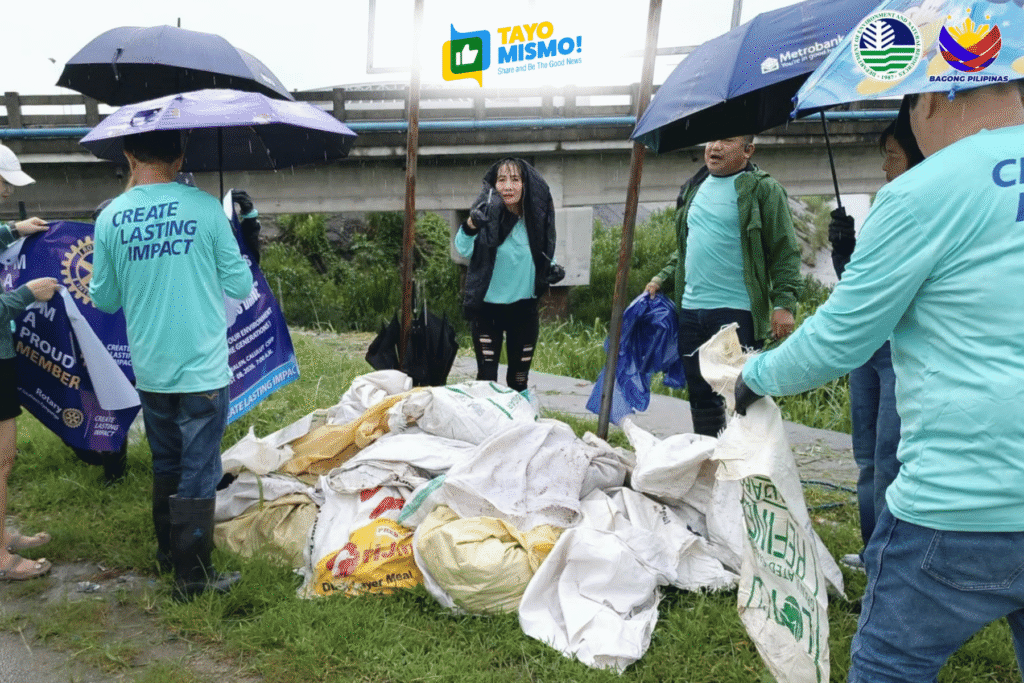
That was the practical goal behind a recent cleanup drive along Sapang Balen River in Barangay Calulut, City of San Fernando, Pampanga, where the Department of Environment and Natural Resources (DENR) and the Rotary Club of Southern Pampanga collected more than 250 sacks of waste from waterways and roadsides.

DENR river rangers and Rotary members found a mix of recyclable and residual waste scattered around the area, including packaging materials, single-use plastics, slippers, styrofoam, old clothes, diapers, sanitary napkins, and plastic and glass bottles.
They also cleared biodegradable waste such as grass, tree stems and branches, as well as kitchen waste.
The cleanup was part of an effort to keep waterways free-flowing and reduce the amount of debris that can contribute to flooding in the city.


Roger Encarnacion, DENR Pampanga provincial head, said the work also aims to encourage communities to take responsibility for the waste they generate.
The effort points to a problem that goes beyond what volunteers can collect in a single day. Every sack removed from a river is one less pile of waste that can obstruct the flow of water, but keeping waterways clear also depends on what happens after the cleanup crew leaves.
DENR reminded residents that proper waste management is a shared responsibility under Republic Act No. 9003, or the Ecological Solid Waste Management Act of 2000, which calls for waste segregation, recycling, and responsible disposal.

A cleaner river can start with a cleanup drive, but it can continue with everyday choices at home, in businesses, schools, and communities.
If a group of volunteers can come together to clear hundreds of sacks of waste from a waterway, your organization, community, or even a circle of friends can take on a cleanup of your own. Start with a place that needs help, bring people together, and leave it cleaner than you found it.